
Heart-Healthy Diet
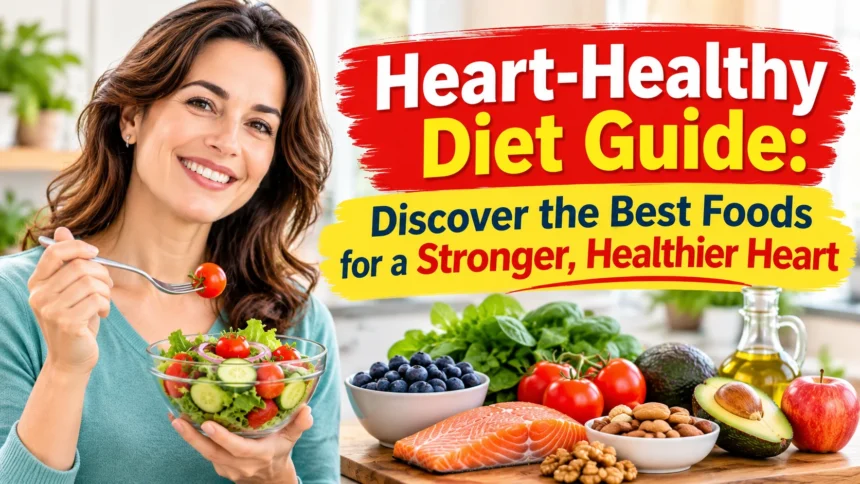
Healthy hearts begin at the table. What you eat every day can affect how well your arteries and cardiovascular system function, as well as your blood pressure, cholesterol levels, and overall heart health. Making healthier food choices and following balanced eating habits can help reduce the risk of heart problems, including heart disease, and support long-term cardiovascular wellness.
How to Follow a Heart-Healthy Diet?
Healthy eating, characterized by a diet rich in nutrients that nourish your cardiovascular system, supports healthy blood pressure and cholesterol levels, reduces inflammation in the arteries, and promotes overall well-being, and should become a way of life. Consistently following this approach lowers the risk of developing heart disease and improves long-term heart function.
1. Pick meals that are natural and not too processed.
A heart-healthy diet focuses on eating habits that limit foods that have been extensively processed. Meals that are only slightly processed help keep important nutrients, make digestion easier, and lower the stress on the heart that comes from too many chemicals, preservatives, and refined foods.
2. Don’t be afraid of fat; focus on its quality.
Fat is an important nutrient, but it’s important to choose the correct kinds for heart health. A heart-healthy diet focuses on healthier fats and limits bad fats that cause plaque to build up in arteries. Studies have shown that over time, boosting the quality of fats can help keep cholesterol levels in check and the heart working well.
3. Keep your protein intake in check.
You need protein to keep your muscles, metabolism, and energy levels up. For a healthy heart, balance and portion control are more important than eating too much. A heart-healthy diet that is well-planned includes protein sources that are good for your heart without adding to your saturated fat intake.
4. Cut Back on Extra Sodium and Sugars
High sodium intake is strongly connected to high blood pressure, and too much added sugar can make it harder to control blood sugar and raise triglyceride levels. Health experts say that cutting back on these two things is one of the best dietary improvements you can make to safeguard your heart health.
5. Make dietary fiber a daily priority
Fiber is very important for heart health since it helps control cholesterol, blood sugar, and digestion. Diets that are always high in fiber are linked to decreased risks of heart disease and better long-term cardiovascular health.
The Best Foods for a Heart-Healthy Diet
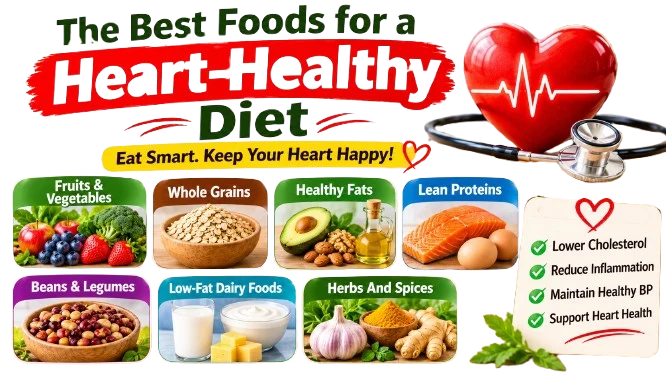
1. Fruits and Vegetables
One of the best methods to keep your heart healthy is to eat a lot of colorful fruits and vegetables every day. These foods are full of vitamins, minerals, fiber, and antioxidants that can help lower cholesterol, inflammation, and enhance how the heart works.
Leafy Greens (Spinach, Kale): Leafy greens are high in potassium, magnesium, vitamins A, C, K, and folate. Eating 1 to 2 servings of leafy greens every day can cut your risk of heart disease by up to 11%, according to studies.
Cruciferous Vegetables (Broccoli, Cauliflower): High in fiber, vitamin C, and antioxidants, which help lower cholesterol levels and prevent inflammation. 2.5 grams of fiber are in 1 cup of broccoli, which helps decrease LDL cholesterol.
Berries (Blueberries, Strawberries): Enriched with plenty of flavonoids and antioxidants that help keep arteries healthy. Eating three servings of berries a week may lower your chance of having a heart attack by 32%, according to research.
Citrus Fruits (Oranges, Grapefruits): These have vitamin C, fiber, and flavonoids that keep blood vessels healthy and lower inflammation. A medium orange has 70 mg of vitamin C and 3 grams of fiber, all of which are good for your heart.
Other Colorful Vegetables and Fruits: Red bell peppers, tomatoes, carrots, apples, and pomegranates have more antioxidants and polyphenols. Eating them consistently can cut your risk of heart disease by 10-15%.
2. Whole Grains
Whole grains aid heart health by supplying nutrients that reduce low-density lipoprotein (LDL) cholesterol, improve blood vessel function, regulate blood sugar levels, and decrease inflammation. Additionally, whole grains provide high fiber and essential nutrients that help maintain healthy blood pressure and prevent plaque buildup in the arteries.
Healthy grains you can add to your daily diet:
Oats: These are packed with soluble fiber, like beta-glucan, which helps decrease LDL cholesterol by 5-10% and helps keep blood sugar levels constant. A cup of cooked oats has roughly 4 grams of fiber and 6 grams of protein.
Brown rice: Brown rice is filled with fiber, magnesium, and B vitamins, which are very beneficial for cholesterol and blood vessels. You can get upto 5 g of protein and 3.5 g of fiber from a cup of cooked brown rice.
Barley: This heart-friendly grain provides soluble fiber and antioxidants. You will get around 6 g of fiber from one cup of cooked barley. It effectively helps reduce cholesterol and inflammation.
Quinoa: It is a whole plant protein that is high in fiber and magnesium, which is good for your heart rhythm and general heart health. There are 8 g of protein and 5 g of fiber in one cup of cooked quinoa.
Whole Wheat Bread and Pasta: These consist of complex carbs and fiber, which keep blood sugar levels stable and are good for heart health. Two slices of whole wheat bread have around 8 g of protein and 6 g of fiber.
3. Healthy Fats
For a healthy heart, you need both monounsaturated and polyunsaturated fats. By lowering LDL, they help calm inflammation in the arteries and keep the heart rhythm steady. Studies indicate that a daily intake of 2,000 mg of EPA and DHA can lower triglycerides and improve vascular health. Oleic acid, a type of monounsaturated fat, helps control cholesterol and lowers the risk of heart disease.
Best Sources of Healthy Fats:
Healthy fats: Olive oil and avocado oil are both high in monounsaturated fats, especially oleic acid. These fats help keep cholesterol levels in check and lower the risk of heart disease. Using it every day can lower LDL cholesterol by 5% to 8%.
Nuts: Almonds, walnuts, and pistachios are some healthy nuts packed with magnesium, vitamin E, and both monounsaturated and polyunsaturated fats. Eating a small handful (about 30 g) every day can lower LDL cholesterol by 3%- 5%.
Fatty Fish: Fish like salmon, mackerel, and sardines are a good source of omega-3 fatty acids (EPA and DHA), which help keep blood vessels healthy, lower inflammation, and lower triglycerides. Accordingto the studies, taking 2,000 mg of EPA and DHA every day helps in keeping the heart rhythm steady and in better condition.
4. Lean Proteins
Lean proteins are healthy for your heart, muscles, and energy levels. Proteins that don’t have a lot of saturated fat can help keep cholesterol and blood pressure in balance. Research shows that eating 25 – 30 grams of lean protein with each meal will minimize your risk of heart disease and make your metabolism work better. As we become older, it’s really important for heart health to obtain enough protein. This is because protein helps keep your muscles healthy.
Some sources of Lean Proteins are:
Fish and Seafood: High in omega-3 fatty acids and high-quality protein. These nutrients can lower triglycerides by 10-20% and help keep your heart rhythm healthy. A 3-ounce piece of salmon has roughly 22 g of protein and 1,500 mg of EPA/DHA.
Skinless Poultry: It is a good source of lean protein with less saturated fat, which helps keep cholesterol and blood pressure in check. A 3-ounce piece of cooked chicken breast has 26 g of protein and 1g of fat.
Plant-Based Proteins (Beans, Lentils, Tofu, Tempeh): These foods are high in protein, fiber, and minerals. They can reduce LDL cholesterol by 5-10% and keep blood sugar levels steady. There are 9 g of protein and 8 g of fiber in half a cup of cooked lentils.
Low-Fat Dairy (Milk, Yogurt, Cottage Cheese): These low-fat dairy foods are high in protein, calcium, and vitamin D, all of which are beneficial for your bones and heart. There are 8 grams of protein and 300 milligrams of calcium in one cup of skim milk.
Eggs (in moderation): Eggs are a good source of protein and nutrients like choline that are good for the heart and brain. But it is recommended to eat eggs in moderation, as eating too many may affect cholesterol balance in some people, especially when combined with a diet high in saturated fats.
Lean Cuts of Beef or Pork (Sirloin, Tenderloin): These foods are enriched with protein and provide you with less saturated fat. Protein helps in building muscles and is beneficial for heart health, too. A three-ounce piece of cooked sirloin has 25 grams of protein and 4 grams of fat.
Seitan and Soy-Based Meat Alternatives: These are plant-based proteins with high amino acids and low in saturated fat. For example, a 3-ounce meal of seitan has 21 grams of protein and 0.5 grams of fat, which is good for your heart.
5. Beans and Legumes
Legumes are full of plant protein, fiber, and important minerals that help lower LDL cholesterol, keep blood sugar levels stable, and lower inflammation. Eating 1-2 cups of legumes daily can help lower cholesterol by 5-10% and will keep your heart healthy in the long run. Beans and legumes can provide upto 6-9 g of protein and 6-8 of fiber in each half cup portion.
Best Beans and Legumes that are good for the heart:
Lentils: These are naturally high in plant protein and fiber. A half cup of cooked lentils has gives you around 9 g of protein and 8 g of fiber, which can reduce LDL cholesterol by 5-10%.
Chickpeas: These are high in protein, fiber, and folate. A half cup of cooked chickpeas has 7 grams of protein and 6 grams of fiber, which helps keep blood sugar levels stable and the heart healthy.
Black Beans: These have soluble fiber and antioxidants. A half cup of cooked black beans has 7 grams of protein and 5 grams of fiber, which can help lower cholesterol and inflammation.
Kidney Beans: These are full of protein, fiber, and minerals. A half cup of cooked beans has 8 g of protein and 6 g of fiber, which helps keep your arteries healthy and your heart working well.
Navy Beans: High in protein and fiber. A half cup of cooked navy beans has 8 grams of protein and 10 grams of fiber, which can help lower cholesterol.
Pinto Beans: These have protein, fiber, and magnesium. A half-cup of cooked beans has 7 g of protein and 7 g of fiber, which helps keep blood sugar levels constant.
Cannellini: These beans are high in protein, fiber, and iron. A half cup of cooked beans has 7g of protein and 6 g of fiber, which helps the heart and digestion.
Edamame: Young soybeans are strong in protein, fiber, and isoflavones. A half cup has 8 grams of protein and 4 grams of fiber, which can help lower LDL cholesterol.
Split Peas: They are high in protein and soluble fiber. A half cup of cooked peas has 8 grams of protein and 8 grams of fiber, which can help decrease total and LDL cholesterol.
6. Low-Fat Dairy Foods
Low-fat dairy and fortified plant-based substitutes are also great sources of calcium, protein, and vitamins that are excellent for your heart and bones. Research shows that eating two to three servings of these foods every day will help keep your blood pressure in a healthy range and make your heart healthier overall.
The best low-fat dairy and dairy substitutes are:
Skim or Low-Fat Milk: It has protein, calcium, and potassium, which are all good for your heart and blood pressure. Studies show that getting enough calcium can lower the risk of high blood pressure by 10 to 15%.
Yogurt (Plain or Greek): Plain or Greek yogurt has protein, calcium, and probiotics in it. Eating yogurt on a regular basis will help lower LDL (bad) cholesterol levels and keep your arteries healthy.
Fortified Plant-Based Milks (Soy, Almond, Oat): These foods have added calcium and protein, which help lower LDL cholesterol and keep blood pressure in a healthy range. Studies show that eating 25 g of soy protein can lower LDL cholesterol by 4 – 6%.
Kefir (Low-Fat or Unsweetened): Probiotics provide a good amount of calcium and protein that is good for heart health and, at the same time, improves your gut health, while reducing inflammation and enhancing heart function.
Low-Fat Cheese: Low-fat cheese, like ricotta and mozzarella provide protein, calcium, and vitamin B12. These are very beneficial in keeping blood sugar levels stable while limiting the increase of LDL cholesterol. These also promote healthy bone density.
Fortified Rice Milk or Pea Protein Milk: Beverages with a high content of calcium, vitamin D, and protein. The drinks provide the nutrients needed to support healthy blood pressure levels and protect the body from vascular disease.
Kefir (Low-Fat or Unsweetened): Probiotics are good for your gut health, which helps in reducing inflammation and enhancing heart function. Calcium and protein are good for your blood vessels.
7. Herbs And Spices
Herbs and spices are rich in antioxidants and anti-inflammatory compounds that help keep arteries healthy, reduce oxidative stress, and improve overall heart function. Eating these foods regularly can help your body control blood sugar better, reduce inflammation, and support long-term heart health.
Best spices and herbs you can use in your heart health diet:
Garlic: It contains allicin, which can cut LDL cholesterol by 5-8% and modestly lower blood pressure in people with high blood pressure.
Turmeric: It is rich in curcumin, which is known to reduce inflammation up to 20% and may reduce inflammation in the arteries.
Ginger: It has bioactive components that may lower triglycerides by 5-10% and help blood flow better.
Basil: It provides polyphenols and vitamin K, which help keep blood vessels healthy and lower oxidative stress.
Rosemary: It contains antioxidants, including rosmarinic acid, which may help stop plaque from forming in arteries.
Parsley: It is high in vitamin C, flavonoids, and antioxidants, all of which help the endothelium work better.
Cinnamon: Studies show that taking ½ to 1 teaspoon every day will lower fasting blood sugar by 5-10% and enhance your lipid profile.
Foods To Avoid Or Limit In Heart-Healthy Diet
You need to know about foods that can hurt your heart, even if you eat a heart-healthy diet. Eating them often can elevate cholesterol, blood pressure, and inflammation, all of which make heart disease more likely.
Trans Fats: These are man-made fats that are present in margarine, baked products, and fried foods. They can boost LDL (bad cholesterol) and lower HDL (good cholesterol), which greatly raises the risk of heart disease. Research shows that eating only 2% of your daily calories from trans fats can raise your risk of heart disease by 23%.
Saturated Fats: These are found in fatty meats, butter, and cheese. They can raise LDL cholesterol and help plaque build up in the arteries, which raises the risk of heart attack and stroke. It is best to keep saturated fats to fewer than 10% of your daily calories.
Excess Sodium: Eating a lot of salt, which is frequent in fast food, canned goods, and processed foods, can elevate blood pressure, which is a big risk factor for heart disease. The American Heart Association says you should eat fewer than 1,500 to 2,300 milligrams per day.
Extra Sugars: Foods like sweets, soft drinks, and pastries can raise triglycerides, make it harder to control blood sugar, and make you gain weight, all of which are bad for your heart. Experts say that women should eat fewer than 25 grams of added sugar a day and males should eat less than 36 grams.
Refined Carbs: White bread, white rice, and sugary cereals don’t have any fiber, which can raise blood sugar and insulin levels, which can lead to inflammation and a higher risk of heart disease. Instead, choosing whole grains helps keep cholesterol and blood sugar levels in a healthy range.
Tips for a Heart-Healthy Lifestyle
1. Control of Portions
If you eat too much of even nutritious foods, you may gain weight. Using smaller plates or weighing out your food will help you stay at a healthy weight, which is good for your heart. For instance, a serving of cooked grains is around 1/2 cup, and a meal should have 3 to 4 ounces of protein.
2. Regular, Balanced Meals
Eating at the same time every day helps keep your blood sugar and energy levels stable. Not eating can make you eat too much later or choose processed snacks that are heavy in sugar and sodium, which can worsen your cholesterol and blood pressure. You should eat three main meals and one or two healthy snacks per day.
3. Hydration
Proper hydration helps circulation, moves nutrients around, and keeps the heart working well. It is best to drink 6-8 glasses of water per day. Sugary drinks, sodas, and too much alcohol might raise blood pressure and triglycerides.
4. Eating with awareness
Eating slowly and paying attention to when you’re hungry and full can help you not to eat too much. Eating mindfully has been demonstrated to help with digestion, lower stress, and keep cholesterol and blood sugar levels in a healthy range. Don’t let your phone or TV distract you as you eat. Chew each bite well.
5. Smart Ways to Cook
How you cook meals can have an effect on your heart health. Using modest amounts of healthy oils while baking, grilling, steaming, or sautéing keeps nutrients in food while cutting down on additional fats and dangerous chemicals that come from frying. Using herbs and spices instead of salt is another natural way to control blood pressure.
7-Day Heart-Health Diet Plan
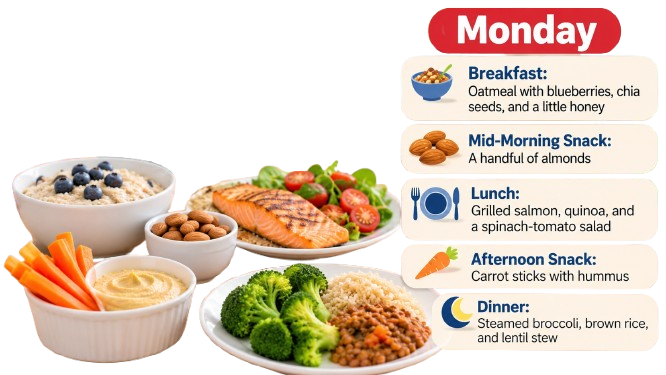
Monday
- Breakfast: Oatmeal with blueberries, chia seeds, and a little honey on top.
- Mid-Morning Snack: A handful of almonds for a mid-morning snack
- Lunch: Grilled salmon, quinoa, and a spinach-tomato salad with olive oil and lemon.
- Afternoon Snack: Carrot sticks with hummus
- Dinner: Steamed broccoli, brown rice, and lentil stew
Tuesday
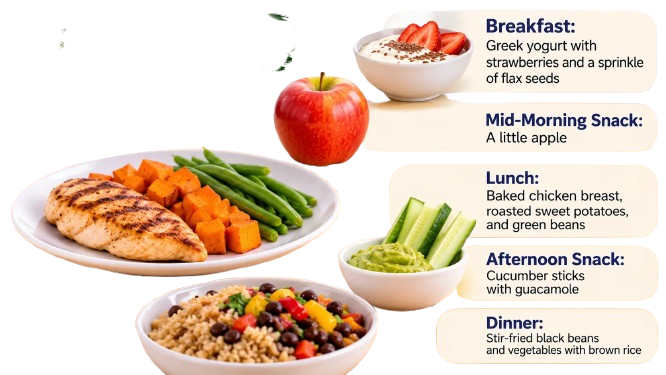
- Breakfast: Greek yogurt with strawberries and a sprinkle of flax seeds
- Mid-Morning Snack: A little apple
- Lunch: Baked chicken breast, roasted sweet potatoes, and green beans that were steamed
- Afternoon Snack: Cucumber sticks with guacamole
- Dinner: Stir-fried black beans and vegetables with brown rice
Wednesday
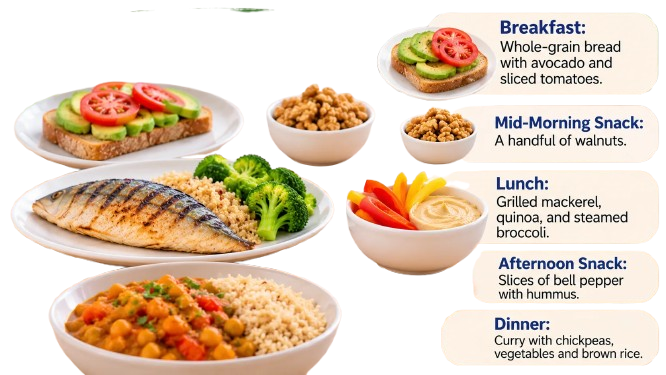
- Breakfast: Whole-grain bread with avocado and sliced tomatoes.
- Mid-Morning Snack: A handful of walnuts
- Lunch: Grilled mackerel, quinoa, and steamed broccoli
- Afternoon Snack: Slices of bell pepper with hummus
- Dinner: Curry with chickpeas and vegetables and brown rice
Thursday
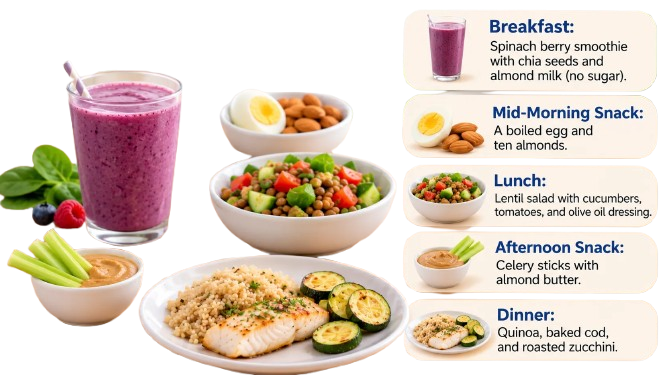
- Breakfast: A smoothie made with spinach, frozen berries, chia seeds, and almond milk without sugar
- Mid-Morning Snack: A boiled egg and ten almonds
- Lunch: Lentil salad with cucumbers, tomatoes, and olive oil dressing
- Afternoon Snack: Celery sticks with almond butter
- Dinner: Quinoa, baked cod, and roasted zucchini
Friday
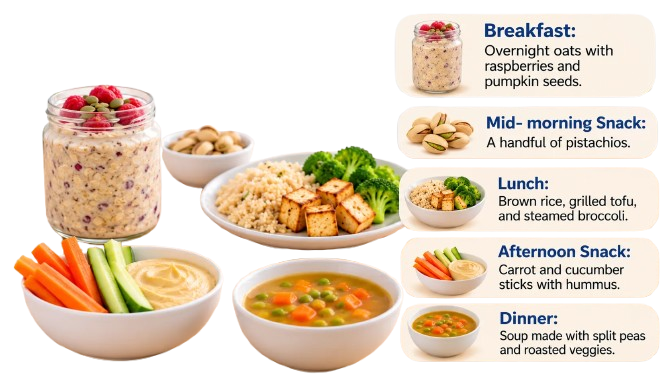
- Breakfast: Overnight oats with raspberries and pumpkin seeds
- Mid- morning Snack: A handful of pistachios
- Lunch: Brown rice, grilled tofu, and steamed broccoli
- Afternoon Snack: Carrot and cucumber sticks with hummus
- Dinner: Soup made with split peas and roasted veggies
Saturday
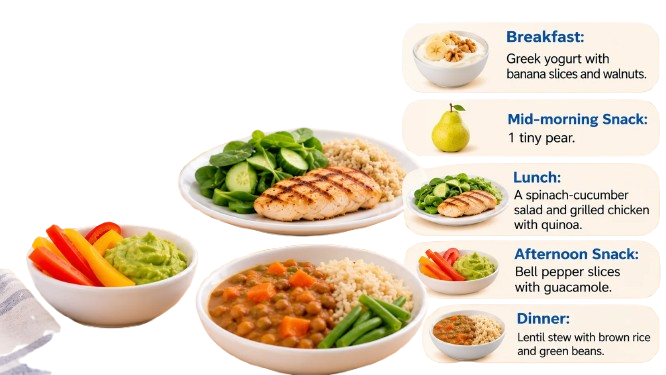
- Breakfast: Greek yogurt with banana slices and walnuts
- Mid-morning snack: 1 tiny pear
- Lunch: A spinach-cucumber salad and grilled chicken with quinoa
- Afternoon Snack: Bell pepper slices with guacamole.
- Dinner: Lentil stew with brown rice and green beans that have been cooked
Sunday
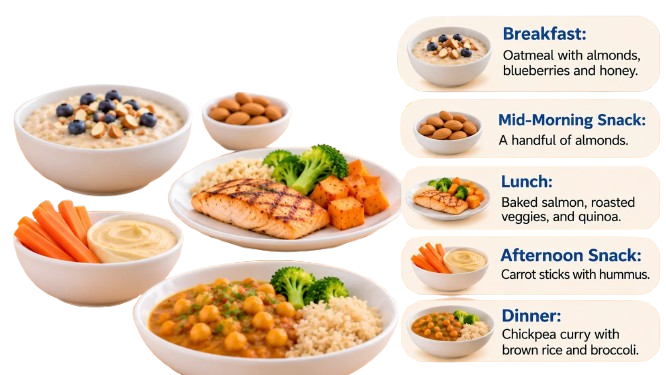
- Breakfast: Oatmeal with chopped almonds, blueberries, and a little honey on top
- Mid-Morning Snack: A handful of almonds
- Lunch: Baked salmon, roasted veggies, and quinoa.
- Afternoon Snack: Carrot sticks with hummus
- Dinner: Chickpea curry with brown rice and steamed broccoli
Is Intermittent Fasting Good For Heart Health?
Intermittent fasting (IF) can help minimize some of the things that put you at risk for heart disease. Studies have shown that eating at certain times may help lower blood pressure, LDL cholesterol, triglycerides, blood sugar, and weight. These benefits can help the heart and blood vessels perform better, reduce inflammation, and ease stress on the arteries.
But for other people, strict fasting habits, like only eating for fewer than eight hours a day, may make heart disease more likely. Intermittent fasting that is tailored to you should include a heart-healthy, nutrient-dense diet. This is especially crucial for people with diabetes, heart disease, or metabolic illnesses.
How to Keep Your Heart Healthy Every Day?
To really safeguard your heart, you need to eat well and:
- Keep your weight in check
- Stop smoking
- Take care of stress
- Regular health checkups
- Drink less alcohol
- Prioritize sleep
- Stay hydrated
- Reduce sedentary time
- Make friends
- Take care of your mental health
- Follow a heart-healthy diet consistently
Heart-Healthy Tips You Can Start Today
- Put fruits and vegetables on half of your plate.
- Swap refined grains for whole grains
- Eat fatty fish two to three times a week.
- Snack on nuts instead of chips
- Cook with olive oil instead of butter
- Reduce sugary drinks and processed meals
- Stay active and move your body daily
- Don’t drink too much alcohol or stay away from it.
FAQ’s
1. What are the best cooking methods for heart health?
Best cooking methods for keeping your heart healthy are steaming, grilling, baking, poaching, and sautéing with healthy oils like olive or avocado oil. These healthy cooking ways keep nutrients intact and lower the amount of additional fats and hazardous substances that can occur while frying or cooking at high temperatures. These cooking methods help maintain healthy cholesterol levels, lessen inflammation, and improve overall cardiovascular health.
2. What are the best heart-healthy snacks?
Nuts and seeds, fresh fruits like berries and apples, vegetables like carrots, bell peppers, and edamame, Greek yogurt, whole-grain crackers or bites, dark chocolate (70%+), and avocado are all good snacks for your heart. You can eat them on their own or with hummus, nut butter, or other healthy spreads for a satisfying and heart-friendly snack anytime.
3. How can I lower bad cholesterol naturally?
A healthy diet and lifestyle can lower LDL levels. To improve your diet, eat more plants, lean meats, healthy fats, and fiber. Along with regular exercise, keeping a healthy weight, drinking enough water, managing stress, and getting enough sleep, these will help keep your arteries and heart healthy. Making small changes over time can help lower cholesterol.
4. Are eggs bad for heart health?
Eggs are a good source of essential nutrients and are also healthy for the heart. Eating boiled or poached eggs with other heart-healthy foods is better for you. It’s not just eggs that matter; your whole diet and saturated fat intake also play a role.
5. Is drinking green tea healthy for the heart?
Green tea is excellent for your heart. It contains natural antioxidants called catechins, which efficiently lower LDL cholesterol, regulate blood pressure, and keep blood vessels healthy. Incorporating a couple of sips into your daily routine can contribute to overall heart health.
Conclusion
Your heart doesn’t need aid that is hard to understand or that makes it less able to do things. Following a heart-healthy diet, naturally eating a lot of colorful fruits and vegetables, whole grains, lean meats, healthy fats, legumes, and heart-healthy snacks, together with regular exercise, stress management, and getting enough sleep, will protect your arteries, lower inflammation, and make your heart work better.
Sources
- 2026 Dietary Guidance to Improve Cardiovascular Health (AHA scientific statement, Circulation)
- AHA news release: Following 9 key steps for a lifetime of eating well
- AHA: Healthy Eating
- AHA: Life’s Essential 8
- Harvard Health: Heart-healthy eating: How does your diet stack up?
- AHA: Heart-healthy recipes
For more expert-backed health tips, wellness guides, and supplement insights, be sure to read more articles on the Health Line Guide