



Mental Wellness Foods
Maintaining the health of your brain requires a diet rich in nutrients. Neurotransmitters that impact your mood, focus, emotional equilibrium, and mental clarity are aided by foods that are beneficial to your mental health. Since the brain consumes over 20% of the body’s energy, eating a healthy diet is crucial for both mental and emotional well-being.
A diet high in whole, unprocessed foods has been shown to lower the risk of depression by up to 35%. Nearly 90% of serotonin is produced in the gut. For this reason, eating the correct foods is crucial to maintaining brain health and controlling stress and anxiety.
Gut and Brain Axis: How Your Gut Impacts Mental Health
The brain needs nutrients like B vitamins, magnesium, and omega-3s to make neurotransmitters like serotonin, dopamine, and GABA. These chemicals affect mood, focus, and emotional balance. The gut makes at least 90% of the body’s serotonin, which shows how what you eat can affect your mental health. The Journal of Affective Disorders says that eating a lot of whole, antioxidant-rich foods can lower the risk of depression by up to 35%.
Short-chain fatty acids (SCFAs) are made by healthy gut microbiomes. They protect brain cells, change hormones that cause stress, and make you stronger emotionally. Changes in the gut-brain axis, such as inflammation and fewer good bacteria, can affect the hypothalamic-pituitary-adrenal (HPA) axis, which raises cortisol levels and makes depression worse. Yogurt, kefir, kimchi, and whole grains are good for your gut because they have probiotics and fiber that help balance the bacteria in your gut and make you feel better, more focused, and less stressed.
Brain-Boosting Foods for Mental Health
1. Fatty Fish

Fatty fish are very good for your mental health because they help your brain work better, improve your memory and focus, reduce neuroinflammation, and help stabilize your mood and emotional health. They contain essential omega-3 fatty acids such as DHA and EPA, which are required to keep the brain functioning properly.
Food Examples: Salmon, sardines, mackerel, trout, and tuna are all types of fatty fish.
Benefits:
- Eating twice a week lowers depression risk by 20-30%.
- Omega-3s reduce neuroinflammation, enhancing your mood.
- DHA enhances memory, focus, learning, and emotional stability.
Nutritional Facts:
- Cooked salmon provides up to 2200mg of omega-3s
- Around 250-500mg of omega-3s is recommended on a daily basis.
2. Eggs
Eggs are a type of superfood that contains choline and B vitamins (particularly B-12 and folate). They help in producing acetylcholine, a neurotransmitter that helps you feel happy, helps you remember things, helps you concentrate on what you’re doing, and aids in learning.
Benefits:
- Improve learning, focus, and memory
- Support mood-regulating neurotransmitter balance
- Maintain energy and calm by stabilizing blood sugar.
Nutritional Facts:
- A single large egg contains approximately 147 milligrams of choline
- An average adult requires between 425 and 550 milligrams of choline each day.
3. Leafy Green Vegetables

Leafy green vegetables are enriched with a high source of micronutrients such as magnesium, folate, and vitamin K. These nutrients help in managing stress levels and also assist in creating neurotransmitters and enhancing good mental health. Spinach, kale, swiss chard, mustard greens, and collard greens are some good examples of leafy greens.
Benefits:
- Reduce stress and anxiety.
- Support healthy neurotransmitter function.
- Promote overall brain health and emotional stability.
Nutritional Facts:
- 1 cup of spinach gives you around 65% of your daily folate.
- Magnesium deficiency affects nearly 50% of adults.
4. Nuts and Seeds
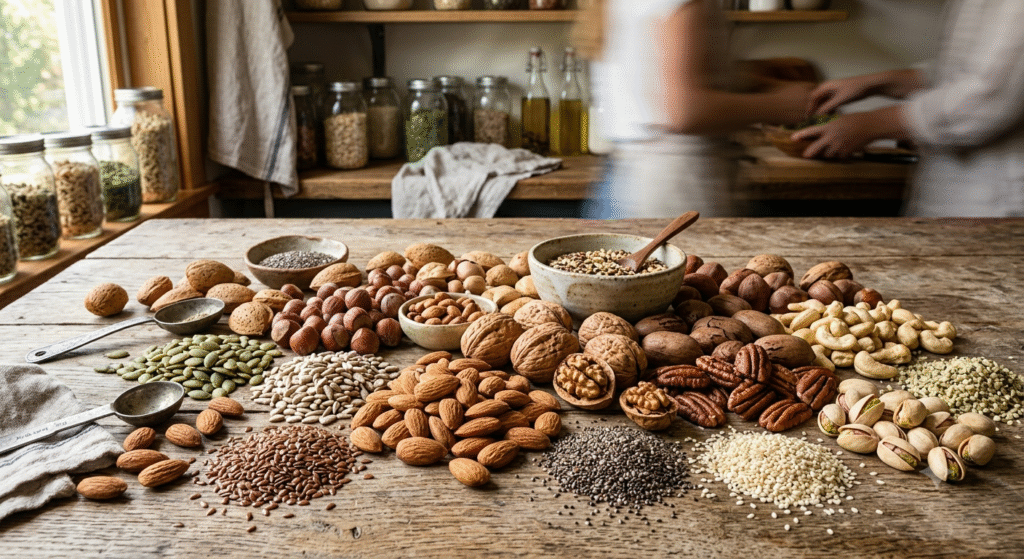
Nuts and seeds are good sources of healthy fats, minerals, and antioxidants that help the body make neurotransmitters naturally. These can improve your memory and make nerve cells talk to each other more effectively. Having nuts and seeds on a regular basis lowers the risk of developing depression by 17%-25%, making them part of a natural mental wellness diet that helps keep your mind active and healthy over time.
Benefits:
- Better neurotransmitter balance.
- Better neuron-to-neuron communication
- Improves memory, focus, and cognitive performance.
Nutritional Facts:
- 28 g of walnuts contain 2.5 g of omega-3 fatty acids.
- Almonds contain 25 mg of magnesium per 28 g serving.
- Pumpkin seeds contain 2 mg of zinc per 28 g serving.
- One tablespoon of flaxseed contains 2.4 g of omega-3 fatty acids.
- One tablespoon of chia seeds provides 2.5 grams of omega-3 fatty acids and 5 grams of dietary fiber.
5. Whole Grains
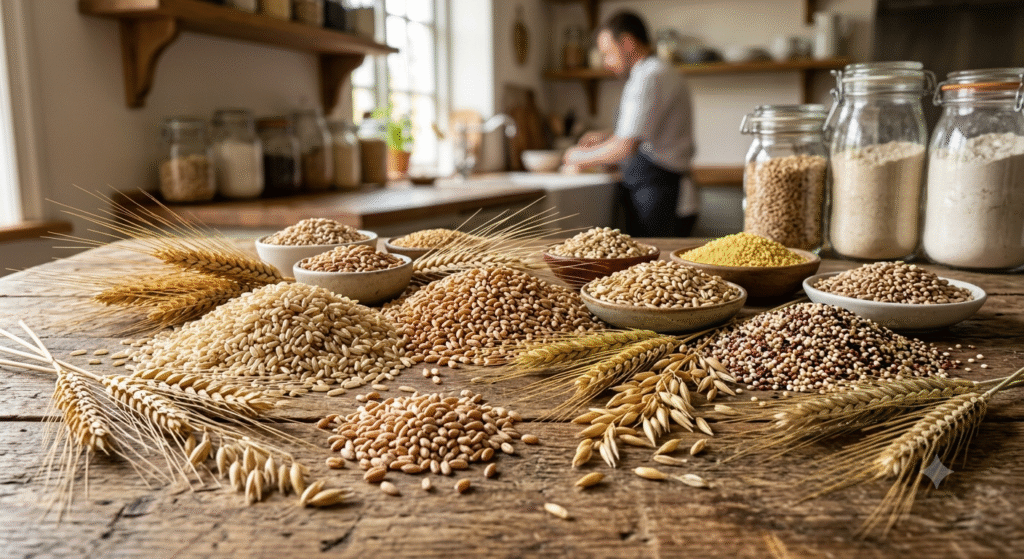
Glucose works as fuel for the brain, but it is more effective when it is released at a slow, steady rate rather than all at once. Ludwig (2002) and Benton & Donohoe (1999) found that diets low in complex carbohydrates are linked to higher levels of anxiety, depression, irritability, and trouble concentrating.
Eating whole grains in two or three meals a day improves your focus, keeps your mood stable, and provides you with energy throughout the day.
Best Whole Grain Foods:
- Oats
- Brown rice
- Quinoa
- Barley
- Whole wheat
Benefits:
- Support stable blood sugar levels
- Suatained mental energy
- Enhance focus, memory, and concentration
- Help regulate mood and emotional balance
- Reduce fatigue and mental irritability
Nutrition Facts:
- Rich in complex carbohydrates
- Good source of B vitamins for nerve function
- Provide fiber that slows glucose release
- Support long-lasting brain energy
6. Berries
Berries are beneficial to your mind as they prevent oxidative damage to the cells in the brain, as well as aid in the reduction of inflammation associated with low mood and cognitive deterioration due to a lack of effective blood flow, oxygenation, and communication between cell types in the brain.
Enriched with anthocyanins, which are important in promoting better communication in the brain, they help in improving memory, concentration, and emotional resilience, as well as the body’s response to stress.
Food examples: Blueberries, strawberries, raspberries, blackberries, and cranberries.
Benefits:
- Protect against oxidative stress in the brain.
- Reduces inflammation and improves mood.
- Promotes improved memory, concentration, and attention.
- Improves blood flow to the brain
Nutrition Information:
- Contains high levels of anthocyanins and flavonoids
- high levels of Vitamin C and Fiber
- Naturally low in calories and sugar
- Support long-term brain and cognitive health
8. Dark Chocolate
Dark chocolate is packed with flavonoids that improve brain functionality, enhance brain signaling, and emotional balance. Its natural compounds help increase blood flow to the brain, stimulate feel-good neurotransmitters, and calm the nervous system, which can improve mood, focus, and stress resilience when consumed in moderation.
Benefits:
- Better blood circulation in the brain
- Magnesium helps calm the nervous system.
- Stimulates endorphin release, boosting mood.
Nutrition Facts:
- Contains as much as 70% cocoa at times.
- Contains antioxidants and flavonoids.
- Helps improve mood and alleviate stress.
- Magnesium promotes neurological function (i.e., provides support to the nervous system).
9. Turmeric

Turmeric is a well-known natural anti-septic ingredient that consists of an active compound called curcumin. Reducing neuroinflammation helps enhance mood-regulating transmitters such as dopamine and serotonin in the brain. In addition, turmeric contains antioxidant and bioactive compounds that protect the brain from the harmful effects of oxidative stress and help create an emotionally stable environment.
Benefits:
- Reduces neuroinflammation
- Increase in serotonin and dopamine production
- Protection of the brain from oxidative damage, providing calmness
- Increase in emotional well-being
Nutrition Facts:
- One teaspoon of turmeric powder contains 200 mg of curcumin
- About 29 calories per teaspoon
- 0.3 g protein and 0.7 g fiber
- Contains iron, manganese, and potassium
- Black pepper boosts curcumin absorption naturally
10. Citrus Fruits
Vitamin C is a beneficial vitamin found in citrus fruits to help with emotional balance. It supports the production of neurotransmitters, regulates stress hormones, and is an antioxidant that prevents oxidative damage to cells in your body and brain.
Benefits:
- Vitamin C enhances the production of neurotransmitters in the brain.
- Calm your mind by regulating stress hormones.
- protects your brain cells from damage caused by oxidative stress.
- Citrus fruits can improve your mood and support emotional resilience.
Nutrition Facts:
- An average-sized orange has approximately 90% of your daily recommended intake of vitamin C.
- Regularly eating citrus will help you combat fatigue, low mood, and irritability.
- Oranges, lemons, guavas, and grapefruits are all good sources of vitamin C.
11. Coffee

Caffeine is a major component of Coffee and acts as a Stimulant that helps keep you awake and alert; in addition to these, caffeine increases motivation, concentration, makes memory stronger, and increases the body’s ability to stay alert. In addition to being a Stimulant, caffeine stimulates the release of dopamine in the brain, giving us a sense of euphoria, and this enhances cognitive function and increases mental energy.
Benefits :
- Improved focus and memory
- Increased motivation/alertness
- Increased positive mood/mental energy
Nutrition Facts:
- 200-400mg caffeine per day (about 2 – 4 cups)
- Moderate coffee intake is linked to a lower risk of depression up to 16%.
12. Avocados
Avocados are a fruit that is good for the brain and contains healthy fats, potassium, and B vitamins (which help to build the brain’s structure). These nutrients support the function of neurons by ensuring an adequate blood supply and also help to stabilize a person’s mood, provide energy to overcome mental fatigue, and support long-term emotional health as part of a natural mental wellness diet.
Benefits:
- Support neuron function & brain signalling.
- Decreases mental fatigue and stress.
- Supports moods and improves focus.
Nutrition Facts:
- One medium avocado provides 20g of healthy fats
- Provides about 14% of daily potassium needs
- High in folate and B vitamins
13. Legumes (Beans & Lentils)

Beans and lentils are great sources of fiber, complex carbohydrates, and multiple B-vitamins such as folic acid and B6 because these vitamins are used in producing serotonin, dopamine, and GABA. Eating foods high in fiber and complex carbohydrates provides a slow release of energy to your body, which, in turn, will help reduce irritability and brain fog as well as promote a steady state of calm focus and help with emotion regulation.
Benefits:
- Increased Production of Neurotransmitters
- Consistently sustains energy and improves mood
- Provides calm focus and mental clarity
Nutrition Facts:
- A cup of cooked lentils has 18 g of protein and 16 g of fiber
- Provides about 90% of the daily recommended folate intake
- Provides magnesium and iron for brain health
14. Green Tea
Green tea provides calming effects and centering effects on your mind, allowing you to perform at your best. The caffeine in green tea can increase alertness and improve concentration without the anxiety and jitters common to other caffeinated drinks, and L-theanine in green tea promotes feelings of relaxation, decreases stress, and helps maintain a calm mental state.
Green tea has properties that support memory, focus, and emotional balance by encouraging positive interactions between the main chemical components in green tea. Regularly consuming green tea may also provide long-term benefits for mental and emotional wellness.
Benefits:
- Improved mental alertness
- Reduced anxiety and stress
- Stabilized neurotransmitter levels
Nutritional Facts:
- Contains approx 25-35 mg of caffeine per cup of brewed Green Tea.
- Contains approx. 20-40 mg of the amino acid L-theanine per cup.
- A high concentration of catechins (antioxidants) protects the brain against oxidative damage.
15. Yogurt
Yogurt contains live probiotic cultures that help to maintain a healthy balance of good and bad bacteria in the intestines, which is essential for the production of certain types of neurotransmitters in the brain.
Using plain yogurt will provide a source of protein as well as provide calcium and vitamin B-12; these nutrients are essential for maintaining healthy nerve function and emotional stability.
Benefits:
- Better communication between Gut-brain
- Enhances Mood
- Reduces stress
- Creates Emotional Stability
Nutritional Facts:
- 8 g to 10 g of protein per serving (1 cup)
- Can provide up to 30% of your daily calcium requirement
- provides B-12 and riboflavin, which are both important for a healthy nervous system.
Recommended Natural Products for Brain Health 👉 Synaptigen
Final Takeaway
Your mental health is affected by what you eat from the beginning. The healthier the food you consume, the healthier your mind as well as your body will be.
Making small healthy changes in your meals will improve your physical as well as mental health.
Following a natural mental wellness diet increases your ability to concentrate, manage stress, and cope with distressing events calmly and clearly.
FAQ’s
1. How does meal timing affect mental health?
Eating regular daytime meals can help you stabilize blood sugar levels, support the production of serotonin and dopamine, and maintain gut-brain balance. Not eating a meal when you’re supposed to or eating a meal too late throws off the body’s natural clock and causes you to experience low energy, irritability, anxiety, and mood swings.
2. Can gut diversity boost creativity and cognition?
Gut bacteria make up a substantial section of the body and are responsible for deciding how well we think and how creatively we think by impacting the brain and cognitive function through their interaction with neurotransmitters, as well as by regulating systemic inflammation. The study found a link between gut microbiota patterns, brain morphology, and cognitive function, implying that gut microorganisms may influence an adult’s memory and cognitive ability.
3. Can fasting or meal spacing improve brain function via gut health?
Fasting or spacing out meals provides your gut a break that helps in improving your metabolism rate. Many studies have shown that time-restricted eating (TRE) or intermittent fasting (IF) can help with gut health by increasing the number of good bacteria, lowering inflammation, and making insulin work better. All of these things are important for improving focus, mental clarity, and overall cognitive function through the gut-brain axis.
4. Do seasonal foods enhance mood or reduce anxiety?
By eating seasonal foods, you’ll have greater access to fresh produce that contains nutrients to help your emotional state, such as vitamins and antioxidants that stabilize moods, calm you down, and minimize anxiety. Seasonally produced foods meet the body’s changing nutritional needs.
5. How do fermented foods affect the brain’s stress response?
By enhancing the gut-brain connection, fermented foods play a role in regulating the brain’s response to stress. Fermented foods contain beneficial bacteria that can help balance cortisol production, create neurotransmitters that promote feelings of calmness, and decrease inflammation. These combined factors improve the ability of the nervous system to manage and recover from stress in a healthy way.
6. What are 5 foods to avoid on the Mind Diet?
A brain-friendly diet should exclude foods that negatively affect your mood, such as certain ultra-processed items, sweets (including candy), trans fat, excessive alcohol consumption, and salty snack items. In addition to negatively influencing mood, these foods can create feelings of anxiety, irritability, and inability to concentrate.