
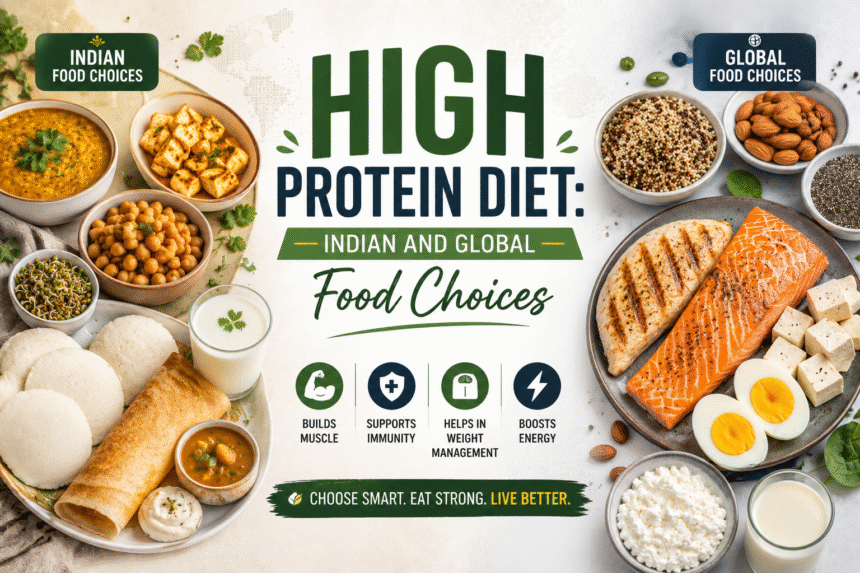
High Protein Diet
Protein is an important macronutrient that helps the body repair itself, keep its metabolism going, and stay strong. It usually takes up 10-15% of daily calories, although many individuals don’t even get the minimum amount they should. About 0.8 grams per kilogram of body weight is a good rule of thumb. For males, that’s about 56 grams each day, and for women, it’s about 46 grams.
This makes people wonder: Am I getting enough protein? What high-protein foods should I really eat? Is it safe to eat a lot of protein every day?
Research published in the American Journal of Clinical Nutrition indicated that increasing protein to 20-30% of your daily calories will help you feel full, keep lean muscle, and lose fat, especially if you also work out consistently.
Why Protein Is Important?
Protein is essential for not only muscle building but also for tissue repairing, hormone-producing, providing immunological support, and enzyme activity and metabolic health. When you consume adequate amounts of good-quality protein on a daily basis, you will have a healthy body, and you will recover from your workouts quickly and regulate your appetite better.
A diet high in protein isn’t just about using protein supplements; it is about eating enough whole food sources of good-quality protein on a consistent basis throughout your day. Here are some tips for maximizing the amount of protein you will get from the foods you eat in a day:
Structure meals correctly
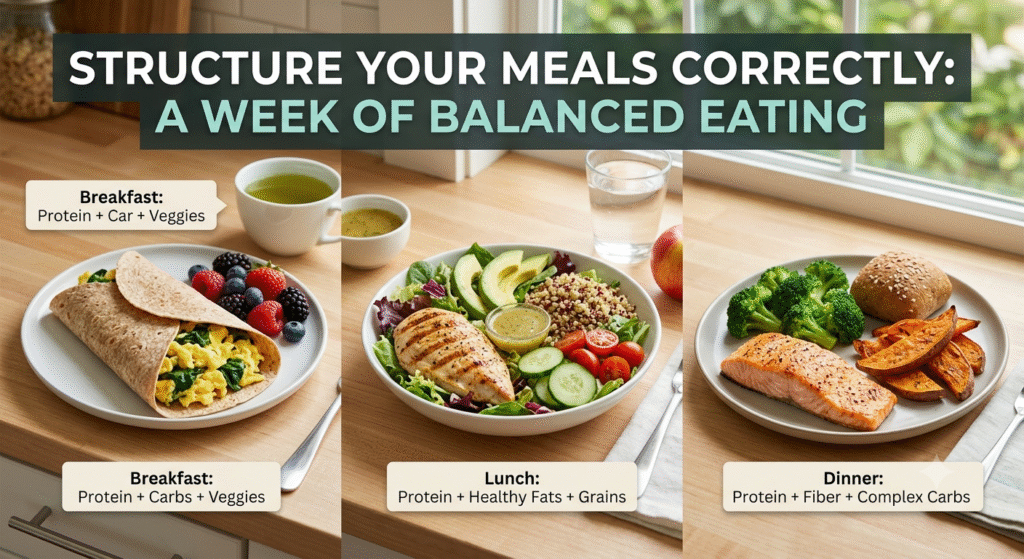
Your body needs a consistent supply of amino acids to repair muscle tissue, carry out metabolic processes, and support your immune system; by dividing the protein you eat into three meals rather than consuming it all in one, you will have more efficient absorption of the protein you are eating.
Choose high-quality protein foods
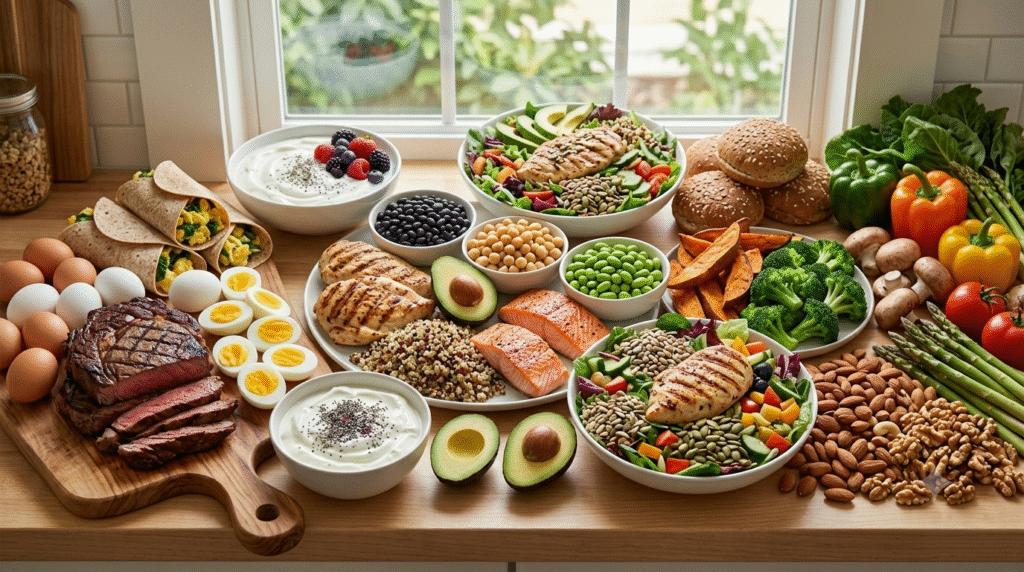
Focus on protein sources that provide all nine essential amino acids, such as animal proteins (eggs, milk, and meat), fish, and soy, and you can also obtain some complete proteins from plants (legumes, lentils, etc.) as well as quinoa. All of these sources contain high-quality protein; however, all types of high-quality protein also improve your feeling of fullness, increasing the overall quantity and quality of nutrients you consume.
Distribute protein evenly throughout the day
Studies have shown that distributing your protein consumption over multiple meals (approximately 20-30 grams of protein per meal) is a better method for synthesizing muscle protein and controlling your weight and preserving lean body mass than consuming most protein over a single meal.
How Much Protein Should You Eat Every Day?
The standard Recommended Dietary Allowance (RDA) for protein is 0.8 grams per kilogram of body weight per day, which equals about 56 grams for men and 46 grams for women. According to the Institute of Medicine, this amount is enough to prevent deficiency in mostly inactive adults, but it isn’t enough to optimize fat loss, muscle strength, metabolism, or healthy aging.
Men vs Women: How Much Protein to Eat?
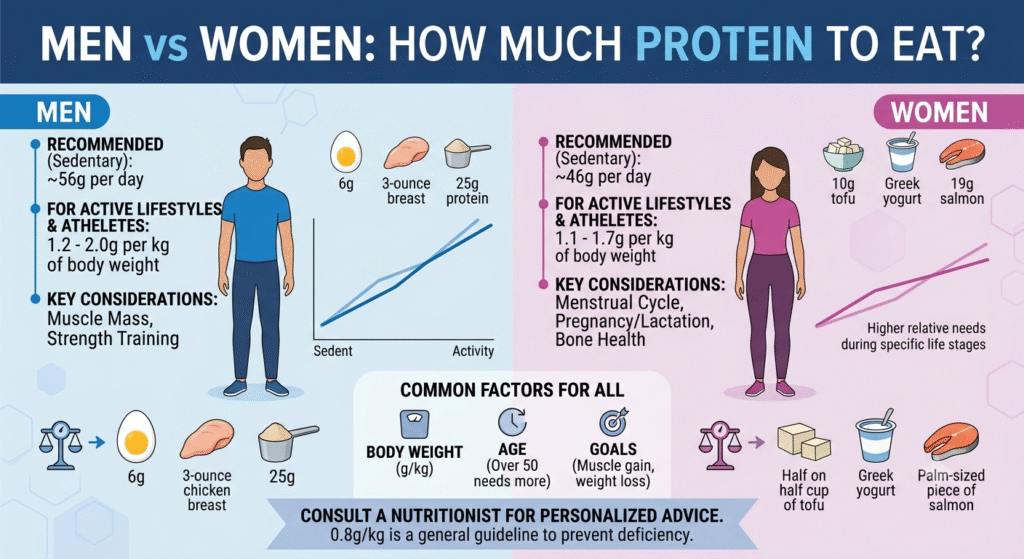
Males’ body composition, metabolic rate, and hormonal system require more protein to support their larger muscles, better physical performance, and higher calorie expenditure. Men require 1.2-2.0 grammes of protein per kg of body weight per day, depending on their level of exercise and health objectives.
It is recommended that women consume 20% more protein than the RDA in order to prevent muscle loss, preserve calcium, and support hormonal changes throughout menopause. After age 40, women grow 1-1.8 grammes of protein per kg of body weight each day.
Protein as a Percentage of Calories
Protein intake can also be monitored by calculating its percentage of daily caloric intake. 20-30% of your daily calories should come from protein, according to the USDA and Harvard T.H. Chan School of Public Health experts. This quantity supports keeping lean muscle while decreasing fat, lowers sugar cravings, stabilises blood sugar levels, and prolongs feelings of fullness.
What is a High-Protein Diet?
A higher-protein diet simply means eating more protein than the minimum RDA-it does not mean eating excessive amounts. Research shows that optimal protein intake for fat loss, muscle maintenance, metabolism, and appetite control falls between 1.2–2 g per kilogram of body weight per day, or about 20-35% of total daily calories, especially for active individuals or those aiming to lose weight.
High Protein Foods
Animal-Based High-Protein food
Animal proteins are called complete proteins because they have all nine of the amino acids that the body needs but can’t make on its own. These amino acids are very important for the body to work properly, repair muscles, make hormones, and keep enzymes working. Animal proteins are also very easy to digest and have a high bioavailability, which means your body can use them well.
Key Sources and Benefits
1. Eggs (6 Grams Per Egg)
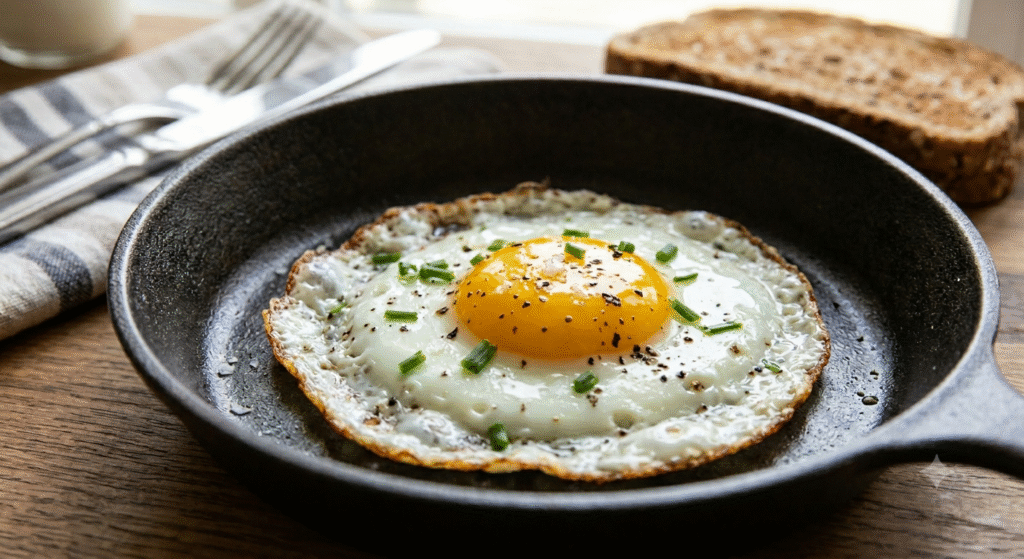
Each egg contains about 6 grams of protein. Eggs are one of the most economical ways to obtain high-quality protein, as they contain amino acids, vitamins, and minerals, including choline (which is known to support brain health).
2. Chicken Breast
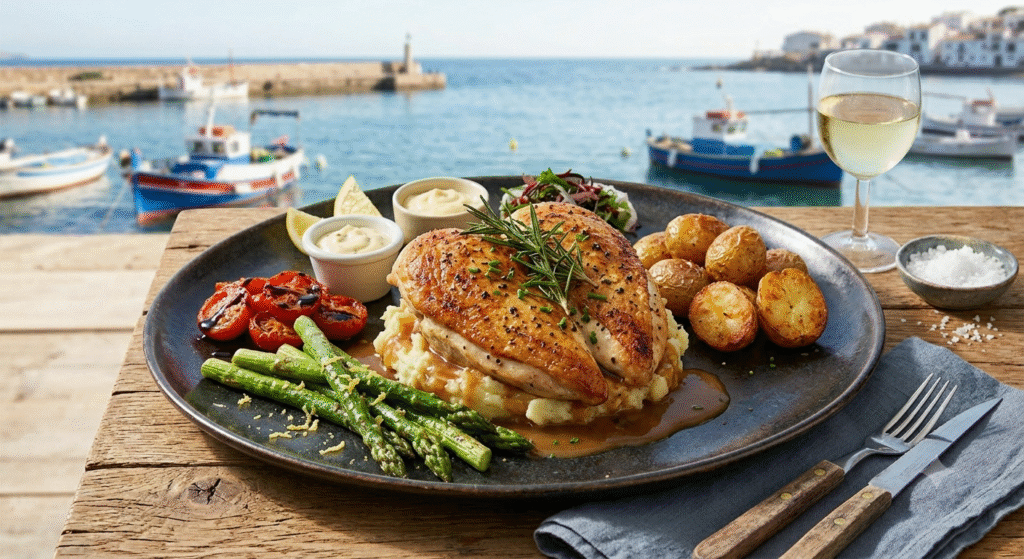
A serving of cooked chicken breast (100 grams) contains 30 grams of protein. Chicken breast is another high-protein food that is low in fat. It has little or no saturated fat and will help keep your muscles strong and lean, plus it can help lower your cholesterol and reduce your risk of heart disease.
3. Fish and Other Seafood
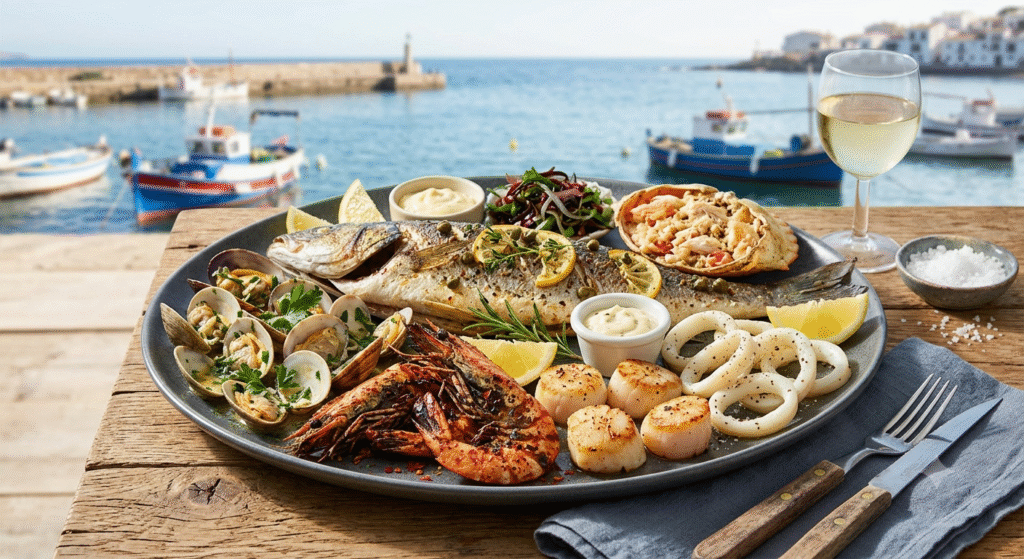
Fish, such as salmon or tuna, and shellfish, like sardines, are good sources of protein and omega-3 fatty acids. Omega-3s have been found to be good for your health in numerous ways, such as making your heart healthier, lowering inflammation, and making your brain work better.
4. Curd, Greek Yogurt, And Milk
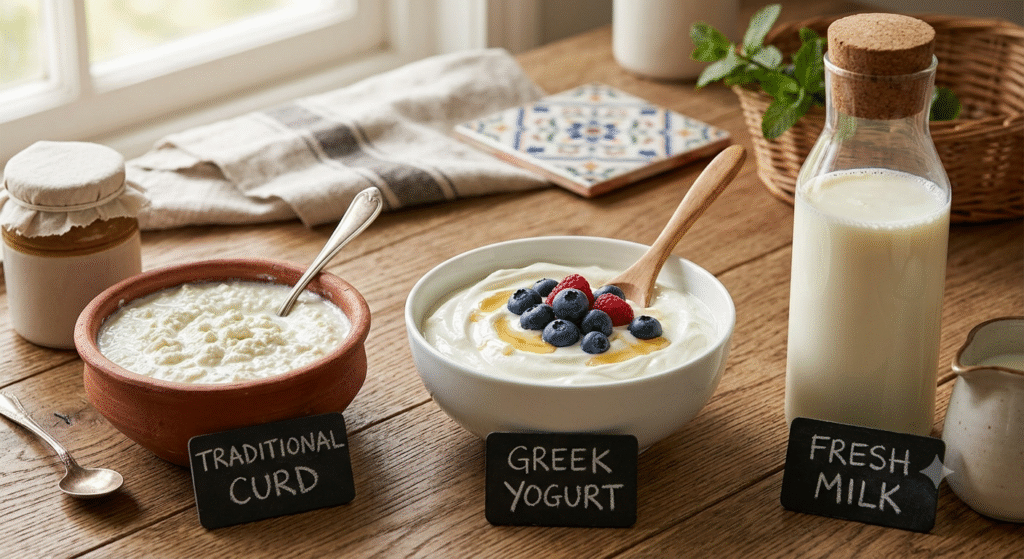
Whey and casein are two dairy proteins that are digested quickly and slowly, respectively. This makes them good for repairing muscles and keeping protein levels high. Curd and other fermented dairy products are also good for intestinal health.
5. Paneer With Cottage Cheese
Cottage cheese and paneer cheese are both high in protein and calcium. It also helps you feel full for longer, builds stronger muscles, and keeps your bones healthy.
Plant-Based High-Protein Foods
Plant-based proteins can be just as effective as animal proteins when planned and combined properly, as most plant proteins are incomplete-meaning they may lack one or more essential amino acids. By combining different sources throughout the day, you can get all nine essential amino acids and enjoy the additional benefits of fiber, antioxidants, and healthy fats.
Plant-Based Protein Sources and Benefits
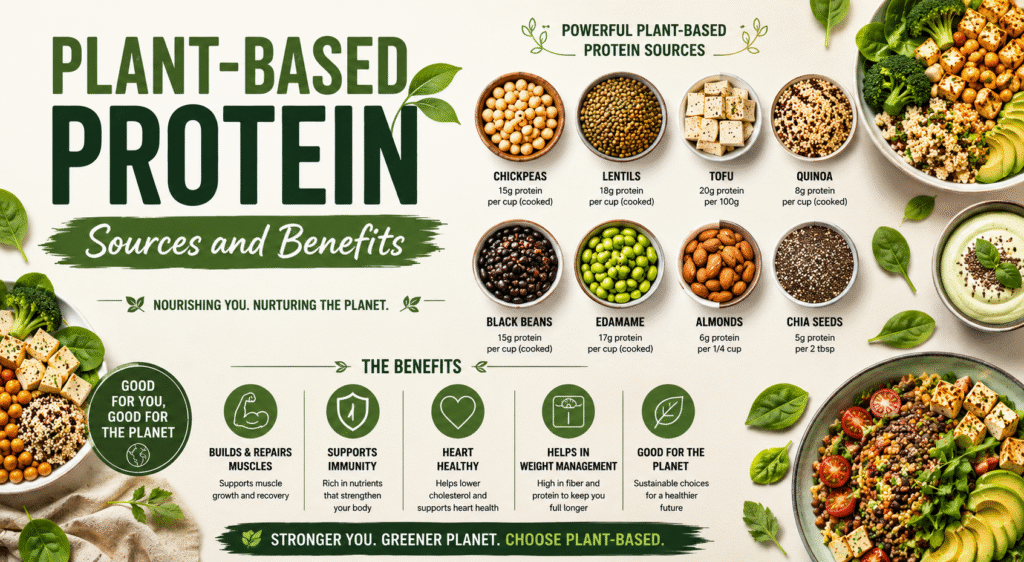
1. Lentils and Dals (toor, masoor, and moong)
Lentils contain approximately 8-9 gm of protein per 100gm of cooked lentils, making them a staple food in the daily diet in India and aiding in our cardiovascular health and digestive health because they are rich in fibre as well as minerals such as potassium and Iron.
2. Black beans, Rajma, and chickpeas
These legumes are good sources of slow-digesting carbohydrates and include black beans, Rajma, and chickpeas. All three are high in protein (7 t- 9 g per 100 g cooked). Because they are slowly digested, they help keep blood sugar levels stable and prolong feelings of fullness.
3. Soy Foods (tofu, soy milk, soya chunks)
Soybean is one of the few plant proteins that is considered to be complete since it contains all of the essential amino acids. Because of this, it is beneficial to the health of the heart, bones, and muscles.
4. Quinoa, Oats, and Millets
While millets and oats can be mixed with legumes to create a balanced amino acid profile, whole grains like quinoa are complete proteins. They also offer slow-release energy, fiber, and vitamins.
5. Nuts and seeds (pumpkin seeds, chia, almonds, and peanuts)
Nuts and seeds are high in protein (5 to 25 grams per 100 grams, depending on the kind), as well as beneficial fats, minerals, and antioxidants. You can eat them as a snack or include them in your daily meals, as they make great protein sources to add to your diet.
7-Day High-Protein Meal Plan
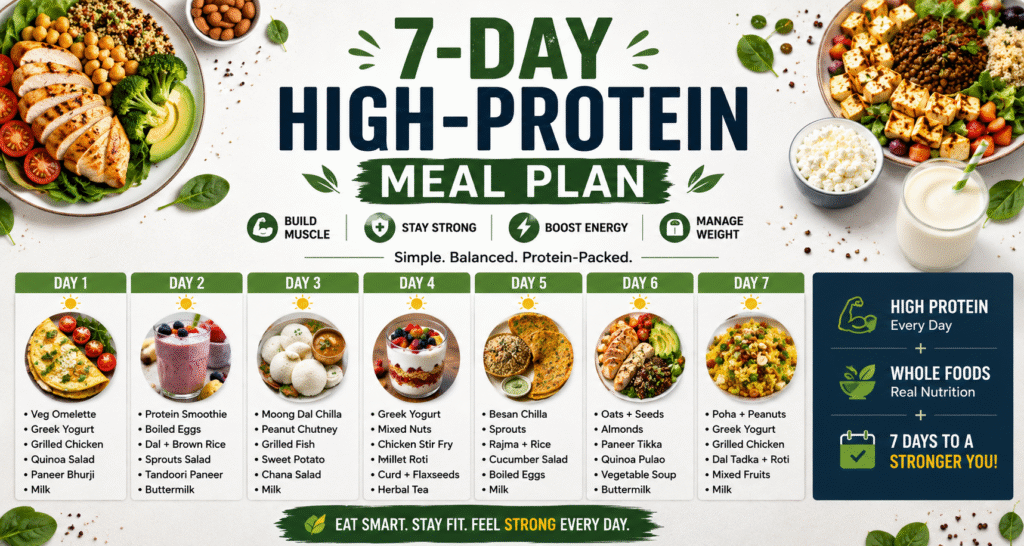
Monday
- Breakfast: 3 eggs, 1 slice whole-grain toast with 1 tablespoon almond butter, and 1 pear
- Lunch: Fresh avocado and cottage cheese salad with cherry tomatoes and an orange
- Dinner: 6 oz (170 g) steak, baked sweet potato, and grilled zucchini
Tuesday
- Breakfast: Smoothie with 1 scoop protein powder, 1 cup almond or coconut milk, and 1 cup strawberries
- Lunch: 4 oz (114 g) canned salmon, mixed greens, olive oil and vinegar, and 1 apple
- Dinner: 4 oz (114 g) grilled chicken breast with quinoa and roasted Brussels sprouts
Wednesday
- Breakfast: 2 boiled eggs, ½ cup Greek yogurt, and ½ cup oats with blueberries
- Lunch: Lentil and chickpea salad with cucumber, tomatoes, and olive oil dressing
- Dinner: 4 oz (114 g) grilled fish or tofu with brown rice and steamed broccoli
Thursday
- Breakfast: Veggie omelette (3 eggs) or tofu scramble with spinach and mushrooms, 1 slice whole-grain toast
- Lunch: Quinoa salad with roasted chickpeas, avocado, and cherry tomatoes
- Dinner: 6 oz (170 g) grilled chicken or paneer, sautéed green beans, and roasted sweet potato
Friday
- Breakfast: Smoothie with 1 scoop protein powder, 1 cup milk (or soy milk), 1 banana, and 1 tablespoon peanut butter
- Lunch: 4 oz (114 g) grilled salmon or tempeh, mixed greens, olive oil, and quinoa
- Dinner: 4 oz (114 g) lean beef or tofu stir-fry with bell peppers and brown rice
Saturday
- Breakfast: 3 scrambled eggs or chickpea omelette, 1 slice whole-grain toast, and avocado slices
- Lunch: Greek yogurt or soy yogurt bowl with chia seeds, almonds, and fresh berries
- Dinner: 6 oz (170 g) grilled chicken or paneer, roasted vegetables (broccoli, zucchini, carrots), and quinoa
Sunday
- Breakfast: Smoothie with 1 scoop protein powder, 1 cup coconut milk, ½ cup oats, and frozen berries
- Lunch: Lentil soup with whole-grain bread and a side salad
- Dinner: 4 oz (114 g) baked salmon or tofu, steamed asparagus, and roasted sweet potato
Benefits of a High-Protein Diet
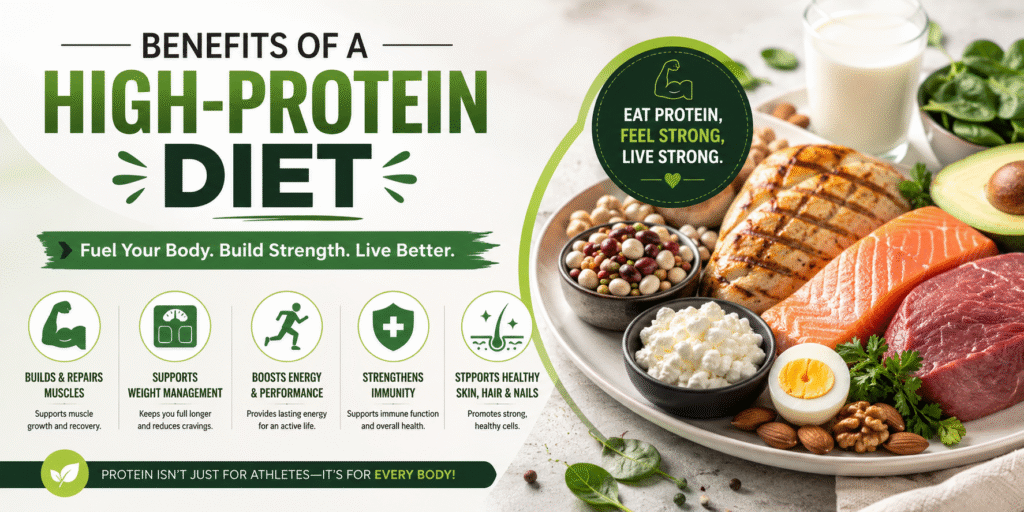
1. Appetite & Weight Control
Protein promotes a feeling of fullness by helping you reach satiety quickly, so you won’t be hungry for as long after eating a protein-rich meal. When you eat foods containing protein, they will cause your body to produce certain hormones (GLP-1 and PYY) that inform the brain when you have consumed enough to eat. Therefore, eating more protein will make it easier for people to maintain daily calorie limits and achieve long-term weight maintenance due to the decreased likelihood of overeating.
2. Fat Loss With Muscle Preservation
Eating a very low-calorie, high-protein diet helps to retain your lean body mass (muscle) while promoting fat loss and preventing your metabolism from slowing down. This means your body will continue to burn calories, even during periods of caloric restriction, while at the same time keeping you satiated for longer. As a result, protein will support muscle growth while promoting fat loss.
3. Blood Sugar Stability
Protein helps prevent blood sugar fluctuations by slowing the digestion and absorption of glucose. In addition to improving insulin sensitivity and providing you with a more consistent source of energy throughout the day, protein also helps to decrease the occurrence of sugar cravings and sudden spikes in blood sugar. This is especially helpful for patients with prediabetes or type 2 diabetes (under the direction of a physician).
4. Muscle Growth and Recovery
Protein provides amino acids to the body, as they are known as the building blocks. These help muscles in repairing, growing, and recovering. It’s especially important for athletes and active people to build and maintain muscle, for older adults to prevent age-related loss, and for everyone to recover faster after exercise while easing soreness and boosting performance.
5. Bone Health
Numerous studies have shown that protein from both dairy and plant sources is essential for building strong and healthy bones, as this dietary composition increases your body’s ability to absorb calcium and maintain healthy bone density, which in turn decreases the risk of fracture as you age.
6. Metabolic Health & Energy
Eating a high-protein diet requires your body to expend greater amounts of energy in digesting these foods, resulting in an increase in your calorie-burning. Additionally, eating protein helps to preserve your lean muscle tissue and enhance healthy metabolism. It also reduces sudden spikes in blood sugar levels, resulting in reduced cravings for sugar and processed foods.
7. Immune Support
Eating protein regularly supports your immune system by providing your body with the necessary raw materials to create new immune cells, repair damaged tissues, and protect against illness by keeping your body healthy and adaptable.
Common Myths About High-Protein Diets
Myth 1: High Protein Damages the Kidneys
Truth: Studies have shown that if you are eating high high-protein diet, it will not affect your kidney health if you are in good health. The only exception is people who have kidney disease. These people should consider consulting their doctor before increasing protein consumption.
Myth 2: Only meat can be used to develop muscle size and strength.
Truth: The source of protein does not affect muscle size and strength; it is the overall amount of protein and amino acids that does. When eaten with other protein sources, protein from plants like lentils, chickpeas, tofu, quinoa, and soy can give you enough protein.
Myth 3: High Protein Means Eating Low Carbs and Fats.
Truth: A balanced diet high in protein should also include complex carbs and healthy fats, even though protein is only one of three macronutrients. To be healthy, you need all three macronutrients. So, a nutritious diet that is high in protein must include complex carbs, healthy fats, fruits, and vegetables.
Myth 4: Protein supplements are required for a healthy diet.
Truth: Most people do not require protein supplements to meet daily protein requirements. Protein supplements are primarily useful for individuals engaged in strenuous physical activity or those who need convenience in their protein intake.
Myth 5: Eating Too Much Protein Causes Weight Gain.
Truth: Protein is very filling, so it generally helps you reduce total calorie intake. Eating extra protein tends to lower total calorie intake because it is a very satisfying food. Any excess calorie intake, even protein, can cause weight gain, but a diet high in protein and moderate in calories can help reduce body fat, especially when paired with regular exercise.
Practical Tips to Follow a High-Protein Diet
- Plan meals around protein first
- Prep lentils, eggs, chicken, fish, or tofu in advance
- Include a protein source in every meal
- Prioritize protein at breakfast
- Spread protein intake evenly across the day
- Use tracking apps initially to learn portions
- Choose whole, minimally processed protein foods
- Pair protein with fiber-rich vegetables
- Stay hydrated to support digestion
- Use protein powders only as a supplement, not a replacement
High-Protein Diet Risks: Who Should Be Careful?
- Patients with kidney difficulties
- Serious liver disease patients
- Diseases that impair protein metabolism
- Doctor-recommended protein restriction
- Individuals with gout or high uric acid levels
- People with pancreatitis or digestive enzyme disorders
- Those with a history of kidney stones
Final Takeaway
An effective high-protein diet should be considered as a long-term way of life rather than just one trendy or extreme thing or another; it must also be part of your daily meal planning. Sourcing proteins from whole, unprocessed foods, along with the proper balance of vegetables, good fats, healthy carbs, and proteins, this combination will provide you with enough protein for strong muscles, and a healthy body will give you consistent energy day to day and throughout your life.
Additionally, this balanced approach allows the flexibility for either cultural or global eating habits, which makes it practical and sustainable on a daily basis. Balance creates long-lasting results; more than excessive amounts create quick fixes.
Faq’s
1. Can vegetarians follow a high-protein diet?
Absolutely. Vegetarians can meet high-protein needs by combining foods like lentils, beans, tofu, paneer, dairy, soy products, nuts, seeds, and whole grains. When eaten in variety and adequate amounts, these foods provide sufficient protein for muscle, metabolism, and overall health.
2. Is a high-protein diet effective in weight loss?
A high-protein diet promotes weight loss by keeping you full for longer periods of time. This helps to reduce cravings while improving calorie burn during digestion by 20-30%. It also protects lean muscle throughout fat reduction, promoting a balanced metabolism and longer-term benefits.
4. Is animal protein better than plant protein?
Both animal and plant protein have their own benefits. Animal protein is full of minerals like iron, zinc, and vitamin B12, and it’s easy to use. Plant protein gives you fiber and other health benefits. When you mix them with a range of foods, both can easily meet your protein needs.
5. Can a high-protein diet reduce belly fat?
High-protein foods help you lose belly fat by making you feel fuller, less hungry, and slightly increasing the calorie burn associated with digestion. Keeping blood sugar levels stable and retaining lean muscle supports metabolism and reduces cravings. A calorie-controlled, active lifestyle combined with eggs, dairy, lean meats, legumes, and nuts helps keep excess fat away.
6. Is a high-protein diet suitable for women over 40?
Women over 40 should eat daily meals that are high in protein. Speeds up the metabolism, stops muscle loss, makes bones stronger, and controls weight. During perimenopause and menopause, protein can help you feel more energized. Every day, getting 1-2 g of protein per kg of body weight will help you stay healthy, lose fat, and keep your blood sugar in check.
7. Can high-protein diets affect hormones?
High-protein diet can affect hormones like insulin, cortisol, anabolic hormones (IGF-1, testosterone), and hormones that control hunger (ghrelin, GLP-1, and PYY). These hormones help you deal with stress, keep your muscles strong, speed up your metabolism, and keep you satiated. The results are different for each person, based on the type, amount, and differences between people.