


To be healthy, active, and young, it’s important to keep your joint and bone health strong. Our bones give our bodies shape, and our joints, which are where bones meet, let us move and do things every day. But when we get older, don’t eat well, and don’t move around much, our bones get weaker and our joints get stiff or inflamed, which leads to osteoporosis or arthritis.
What’s the good news? You can protect the foundation of your body and keep it strong for decades by eating well, living a healthy lifestyle, and using natural supplements for bone and joint health.
Why Joint And Bone Health Matters?
Our bones and joints are what hold up all the ways we move. They provide our body shape, support, and flexibility, which helps us walk, bend, lift, and stretch. It’s not just about avoiding pain; it’s also about keeping our mobility, freedom, and quality of life as we become older.
The Role of Bones and Joints in the Body
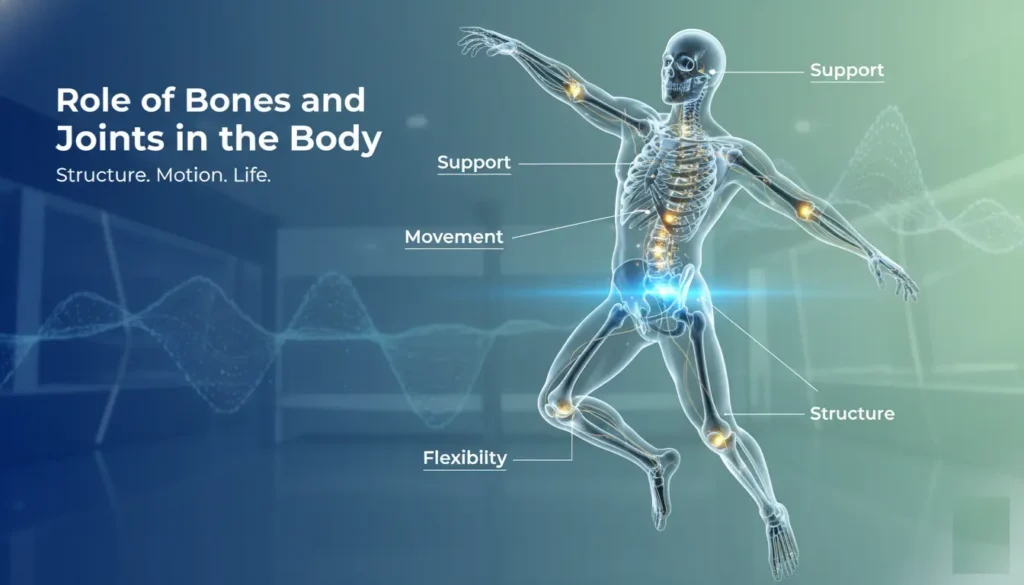
Bones constitute the body’s skeleton. They hold and maintain important minerals like calcium and phosphorus. Joints connect bones and let them move smoothly and in a controlled way. Cartilage, ligaments, tendons, and synovial fluid protect and cushion every joint, making it easier for the limbs to move. When these mechanisms are working properly, movement seems normal and easy.
But pain and stiffness can happen when bone mass diminishes or cartilage breaks down. This usually makes it hard for people to move around and causes diseases like osteoporosis and arthritis that affect millions of people throughout the world.
Aging and Lifestyle Impacts
As we age, our bones lose minerals over time, making them more fragile and likely to break. Joint tissues can also get weaker over time from wear and tear or inflammation. You can’t stop aging, but your lifestyle has a big impact on how quickly and how much your bones and joints break down.
Not eating enough, not exercising, smoking, and drinking too much all make bones weaker and joints swell. On the other hand, exercise, a good diet, and enough vitamins and minerals, especially calcium, vitamin D, and magnesium, keep bones strong and joints flexible.
Common Conditions from Poor Bone and Joint Health
Bones and joints that are weak can lead to a lot of chronic diseases that make it hard to move, feel well, and stay healthy. Joints and bones are important parts of the body that help it move, protect organs, and keep it upright. When they get weaker from aging, bad eating habits, or a bad lifestyle, they can cause discomfort, stiffness, and eventually limit your movement.
Knowing what the most common disorders that weaken joint and bone health are will help you take steps to avoid them early on.
1. Osteoporosis
Osteoporosis is a common bone disease that makes bones less dense and strong. This happens when the body loses too much bone or doesn’t make enough, which makes bones weak and easy to break. The hips, spine, and wrists are the most likely to get hurt. Some people call osteoporosis a “silent disease” because it doesn’t show any signs until a bone breaks. Not getting enough calcium, vitamin D, or exercise is the main cause of osteoporosis.
2. Osteoarthritis
Osteoarthritis is a degenerative joint disease that affects the cartilage, which is the soft tissue that protects the bones. As the cartilage gets thinner, it hurts, swells, stiffens, and loses its ability to move. Osteoarthritis usually affects joints that support weight, like the knees, hips, and back. Age is a big risk factor, but being overweight, having had joint injuries in the past, and doing the same thing again and over might make it happen faster.
3. Rheumatoid Arthritis
Rheumatoid arthritis is an autoimmune disorder in which the immune system inappropriately attacks the joint lining, in contrast to osteoarthritis. If left untreated, this leads to progressive joint deformity, pain, and inflammation. Fatigue, swelling, and morning stiffness are among the symptoms that may manifest in multiple joints simultaneously. An early diagnosis and lifestyle modification are essential for the management of the condition.
4. Gout
Gout is a form of arthritis that is caused by the accumulation of excess uric acid crystals in the joints, typically in the great toe. It induces acute, severe pain, as well as redness and swelling. Flare-ups may result from diets that are high in alcohol, shellfish, and red meat.
5. Joint Injuries and Fractures
Poor bone mass and weak joints make one more prone to injuries and fractures, even from low-level falls or impacts. Such injuries are more difficult to heal and can result in long-term pain or chronic mobility problems.
The Importance of Prevention
The good news is that with good care, bone and joint loss can often be delayed or even stopped. Building strong bones as a child and keeping them strong into adulthood is the key to having healthy bones for life. Weight-bearing activities like walking, dancing, or resistance training help bones grow, while stretching and flexibility exercises keep joints flexible.
Eating foods that are high in calcium, vitamin D, omega-3 fatty acids, and antioxidants is just as important. These help protect connective tissue, strengthen bones, and lower inflammation. Not smoking or drinking alcohol is another way to keep your joint and bones healthy for a long time.
Top Nutrients for Strong Bones and Flexible Joints

Nutrition plays a key role in bone density and joint lubrication. Let’s look at some of the best vitamins for bone and joint health and how they work together.
1. Vitamin D
Vitamin D helps your body absorb calcium—the main mineral in bones. Without enough vitamin D, even high calcium intake won’t be fully utilized. It also supports the immune system, reducing inflammation that can affect the joints.
Sources: Sunlight, fortified dairy products, fatty fish (like salmon or mackerel), and egg yolks.
2. Calcium
Calcium is the cornerstone of bone strength. Your body uses it for nerve signaling and muscle contraction, so if your diet lacks calcium, it draws it from your bones—making them weaker over time.
Sources: Milk, yogurt, cheese, leafy greens, almonds, and fortified plant-based milks.
3. Vitamin K2
A nutrient that is too commonly forgotten, Vitamin K2 sends calcium to bones and keeps it from accumulating in the arteries or joints. It acts synergistically with Vitamin D to optimize bone density.
Sources: Fermented foods (such as natto), hard cheeses, and grass-fed animal products.
4. Magnesium
Magnesium assists in activating vitamin D and facilitating bone building. It also helps muscles relax and can help ease joint pain.
Sources: Nuts, seeds, whole grains, and leafy greens.
5. Omega-3 Fatty Acids
Omega-3s are strong anti-inflammatories that decrease joint stiffness and pain. They support the health of joint cartilage and retard degeneration.
Sources: Fatty fish (salmon, sardines), flaxseeds, chia seeds, and walnuts.
6. Collagen & Protein
Collagen is the connective tissue that holds together cartilage, tendons, and joints. Taking collagen or amino acids that help make collagen, like glycine and proline, keeps joints loose and makes them last longer.
Sources: Bone broth, fish, eggs, and collagen peptide supplements.
Key Supplement Categories & How They Help
1. Glucosamine & Chondroitin
These two things are found in cartilage, which is the soft tissue that protects our joints. When it comes to joint health, these two have been studied the most. Studies show that glucosamine slows down the breakdown of cartilage, and chondroitin can help people with joint problems feel better and less stiff.
In combination, they give stability to joint surfaces and potentially enhance mobility.
2. Collagen Peptides
Collagen is the protein that makes up connective tissue and gives bones, cartilage, tendons, and ligaments their shape. Taking collagen peptides, especially type II for joints, can help tissues heal and may even ease pain and stiffness. This makes them a good choice for keeping bones and joints strong.
3. Anti-Inflammatory Botanicals (e.g., Turmeric/Curcumin, Boswellia)
Inflammation is central to joint degeneration and bone loss. Curcumin from turmeric and Boswellia serrata are plant botanicals with potent anti-inflammatory activity. Through the mitigation of chronic inflammation, they alleviate joint pain and safeguard underlying tissue.
4. Vitamins & Minerals (Vitamin D, Vitamin K2, Magnesium, Calcium)
Healthy bones are dependent on a solid mineral matrix; joint health rests on the smooth interaction of nutrients, as well. Vitamin D increases calcium absorption, Vitamin K2 assists with sending calcium to the bones (and not the arteries), and magnesium aids enzyme systems for bone development.
These “foundation” nutrients are some of the best vitamins to have for bone and joint health and create a vital foundation for support.
What to Remember Before You Begin
Supplements are adjunctive: They function optimally in concert with a balanced diet, consistent movement, and sound sleep—not as a quick fix in isolation.
Compare quality: Opt for well-known brands that offer transparency in ingredients, sourcing, and testing.
Patience is a virtue: Most of these natural supplements require weeks or months of regular use before you see significant changes.
If you’re taking medications, pregnant, or have a chronic illness, consult a healthcare professional before initiating any supplement protocol.
Best Foods for Joints
and Bone Health
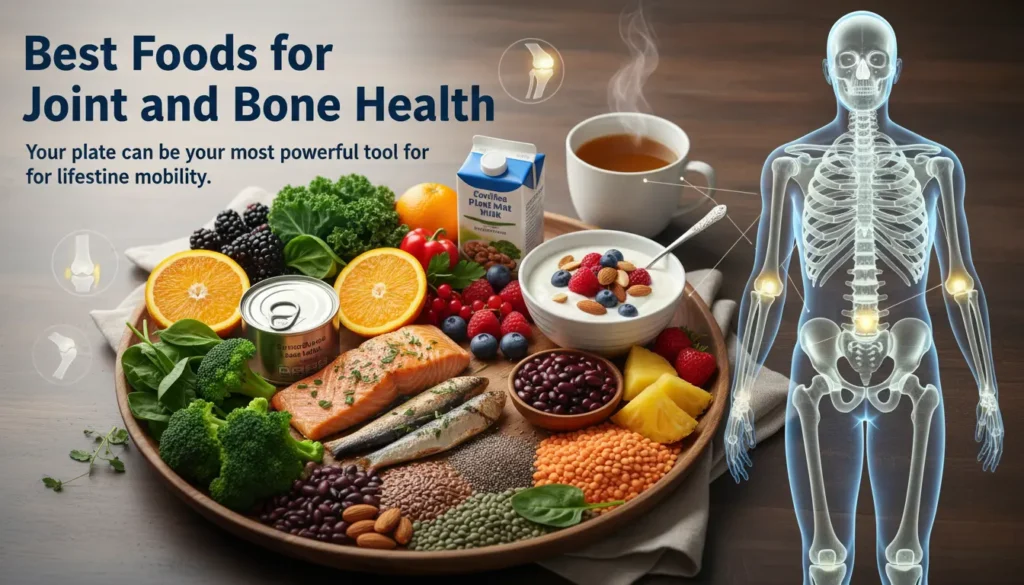
Your plate can be your most powerful tool for lifelong mobility. Here are some of the top foods for joint and bone health to include in your diet:
| Food Group | Examples | Benefits |
| Leafy Greens | Kale, spinach, broccoli | High in calcium, magnesium, and vitamin K |
| Fatty Fish | Salmon, sardines, tuna | Rich in omega-3s that reduce inflammation |
| Dairy & Alternatives | Milk, yogurt, fortified plant milks | Excellent calcium and vitamin D sources |
| Nuts & Seeds | Almonds, chia, flaxseeds | Contains magnesium, zinc, and omega-3s |
| Fruits | Berries, oranges, pineapple | Provide antioxidants and vitamin C for collagen formation |
| Legumes | Beans, lentils, chickpeas | Source of plant-based protein and magnesium |
| Bone Broth | Homemade or store-bought | Supplies collagen, gelatin, and minerals for joint repair |
Eating a colorful, varied diet full of fresh produce, healthy fats, and quality proteins provides the building blocks your bones and joints need to thrive.
Lifestyle Tips to Support Bone & Joint Health
To keep your bones strong and your joints flexible, you need to do more than eat well. You also need to build daily habits that support Joint and Bone Health, protecting and strengthening the foundation of your body. Making healthy choices is essential for maintaining flexibility, strong bones, and preventing mobility issues as you age.
1. Stay Physically Active:
One of the best ways to keep your bones and joints healthy is to work out regularly. Walking, jogging, or dancing are all weight-bearing exercises that help bones get stronger. Strength training, on the other hand, helps muscles that keep joints stable. Swimming, biking, and yoga are all low-impact activities that improve flexibility and reduce stress on the joints.
2. Exercise for a Healthy Weight
Extra weight puts more stress on joints that bear weight, especially the hips, knees, and lower back. Maintaining a healthy weight can reduce joint strain, support Joint and Bone Health, and lower your risk of developing conditions like osteoarthritis.
3. Take a Balanced Diet:
Include foods that are high in omega-3 fatty acids, calcium, and vitamin D. These are good for bone density and inflammation in the joints. For the best results, focus on leafy green vegetables, fatty fish, nuts, and dairy or their fortified versions.
4. Maintain Good Posture:
Bad body posture can make your joints and spine hurt more than they should. Stretch if you sit or stand for long periods of time at work.
5. Don’t Smoke and Don’t Overdo Alcohol:
Both things make bones weaker and make it harder for tissues to heal. Limiting them helps keep bones healthy and joints working properly..
6. Get Plenty of Rest and Recovery:
Proper sleep enables your body to repair tissue and mitigate inflammation, and rest days between sessions avoid overuse injuries.
By integrating movement, nutritious food, and reflective habits, you can maintain mobility, minimize pain, and guarantee long-term bone and joint integrity throughout life.
When to See a Doctor
Although natural interventions may take you a long way, it’s wise to see a doctor if you have:
- Chronic joint pain or swelling
- Frequent bone pain or fractures
- Stiffness that gets progressively worse
- Family history of arthritis or osteoporosis
- Early diagnosis enables specific treatment and helps avoid long-term damage.
Conclusion
Your joint and bone care is truly an investment in your future mobility and quality of life. By combining nutrient-dense foods, specialized natural supplements for joint and bone health, regular exercise, and healthy lifestyle habits, you can establish a solid foundation that will support you at all ages.
Remember: it’s never too early—or too late—to start strengthening your bones and protecting your joints. Whether you’re in your 20s or your 70s, every positive change adds up to a lifetime of better movement, flexibility, and vitality.