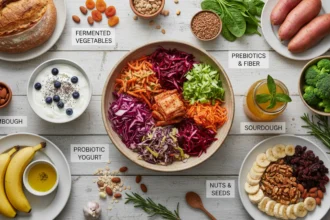


Understanding Gut Health: Why It Matters
Your gut is more than just a digestion center — it’s a powerful ecosystem that influences your entire well-being. Within your digestive tract lives the gut microbiome, a diverse community of trillions of microorganisms including bacteria, fungi, and viruses. These microbes help break down food, absorb nutrients, regulate metabolism, and even produce vital hormones and neurotransmitters that affect your mood and energy levels.
A balanced gut microbiome supports strong immunity, clearer skin, improved digestion, and emotional stability. However, when this delicate balance is disrupted — by stress, poor diet, lack of sleep, or excessive antibiotics — it can lead to inflammation, digestive issues, fatigue, and chronic disease.
Research increasingly links gut health to brain function, heart health, and immune resilience. In fact, about 70% of the immune system resides in the gut, making it one of the body’s most essential systems for defense and repair.
Caring for your gut through a nutrient-rich diet, hydration, stress management, and quality sleep helps maintain this balance. When your gut thrives, your entire body feels more energized, focused, and at ease — reminding us that true wellness begins from within.
The Gut Microbiome and Its Importance
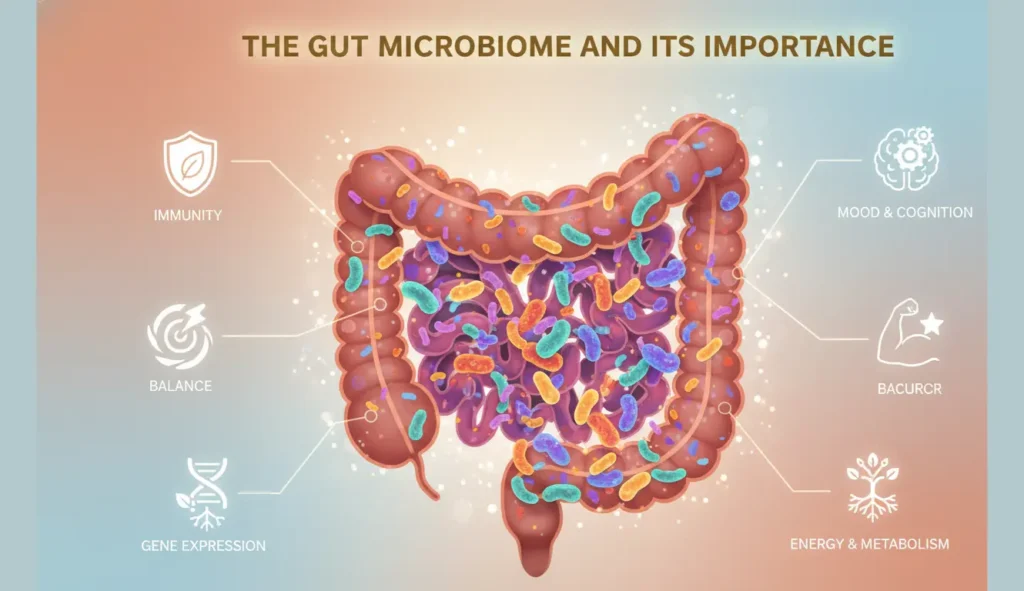
The gut microbiome is a vast community of trillions of microorganisms—mainly bacteria, but also viruses and fungi—that live in your digestive tract. This microscopic ecosystem plays a vital role in maintaining overall health. It helps break down food, produce essential vitamins, regulate the immune system, and protect against harmful pathogens.
A balanced gut microbiome supports efficient digestion and nutrient absorption while reducing inflammation throughout the body. Research shows that greater microbial diversity is linked to a lower risk of conditions such as diabetes, obesity, and autoimmune diseases. Conversely, an imbalance, known as dysbiosis, can contribute to digestive issues, fatigue, mood changes, and weakened immunity.
Beyond digestion, the gut communicates with the brain through the gut-brain axis, influencing mood, stress response, and even cognitive function. Because of this connection, the gut is often referred to as the “second brain.”
Nurturing a healthy gut microbiome through a diet rich in fiber, fermented foods, and prebiotics—along with proper sleep, hydration, and stress management—can help restore balance and promote long-term wellness. In essence, caring for your gut means caring for your whole body.
Common Gut Issues and Their Signs
Your gut talks to your body in small ways. Paying attention to signs of imbalance can help you take proactive steps toward better gut health.
1. Digestive Discomfort
Digestive symptoms are often the first indicators of gut imbalance. These include:
- Bloating and gas
- Constipation or diarrhea
- Heartburn and acid reflux
- Cramping or abdominal pain
While occasional discomfort is normal, frequent or severe symptoms may indicate underlying gut dysbiosis, food intolerances, or inflammation.
2. Unexplained Weight Changes
If you experience weight gain or weight loss without changing your diet or activity levels, your gut may be influencing metabolism. An imbalanced microbiome can affect nutrient absorption, fat storage, and blood sugar regulation. Adding natural support like Burn Peak weight loss supplement may help boost metabolism and promote healthy weight management.
- Weight gain: Often linked to inflammation or insulin resistance caused by gut imbalance.
- Weight loss: Can result from malabsorption due to conditions like small intestinal bacterial overgrowth (SIBO).
3. Fatigue and Sleep Disturbances
A healthy gut supports energy production and sleep regulation. Poor gut health may lead to:
- Persistent fatigue
- Trouble falling asleep or staying asleep
- Low-quality or fragmented sleep
These issues can create a cycle where poor sleep further disrupts gut balance, increasing inflammation and reducing nutrient absorption.
4. Skin Conditions
Skin conditions such as acne, eczema, rosacea, and psoriasis can often be linked to poor gut health. When the gut microbiome becomes imbalanced, inflammation can increase throughout the body, affecting the skin’s natural barrier and immune response.
Toxins that aren’t properly eliminated may also surface through the skin, leading to breakouts or irritation. Supporting prime gut health through a balanced diet, hydration, gut health shots, probiotics, and stress management can help restore harmony both internally and externally. A healthy gut often reflects in clearer, calmer, and more radiant skin, emphasizing the powerful connection between digestive wellness and skin vitality.
5. Food Intolerances
Food intolerances occur when your digestive system has difficulty processing certain foods, leading to symptoms like bloating, gas, nausea, diarrhea, or abdominal pain. Unlike food allergies, which trigger immune responses, intolerances are often caused by enzyme deficiencies or imbalances in gut bacteria.
Common triggers include lactose, gluten, and certain additives. Over time, poor vital gut health can worsen these reactions. Identifying and eliminating problem foods, then gradually reintroducing them under professional guidance, can help restore comfort and balance. Supporting gut health with probiotics, fiber-rich foods, and mindful eating also reduces sensitivity and improves digestion naturally.
6. Mood Fluctuations
Your gut and brain are closely connected through the gut-brain axis, meaning an imbalance in gut bacteria can directly influence your mood and emotional well-being. When harmful bacteria outweigh beneficial ones, it can disrupt the production of neurotransmitters like serotonin and dopamine, which regulate happiness and calmness.
This imbalance may contribute to anxiety, irritability, or low mood. Supporting gut health through probiotics, fiber-rich foods, stress management, and quality sleep can help stabilize mood and enhance emotional balance. A nourished gut often leads to a more positive, resilient state of mind and overall sense of well-being.
7. Frequent Illness or Autoimmune Concerns
Frequent illness or autoimmune concerns often signal an imbalance in the gut microbiome. Around 70% of the immune system resides in the gut, meaning gut health directly influences immune function. When harmful bacteria outnumber beneficial ones, inflammation increases, and the immune system may become overactive or confused.
This imbalance can make you more susceptible to infections, allergies, or autoimmune conditions where the body mistakenly attacks its own tissues. Supporting your gut with probiotics, fiber-rich foods, and stress management can help strengthen immunity, reduce inflammation, and restore balance for better overall health and resilience.
Lifestyle Factors That Affect Gut Health
Modern lifestyles can disrupt gut balance in subtle ways. Key factors include:
- High stress levels: Elevates cortisol, which can harm gut lining and bacterial diversity.
- Poor sleep quality: Reduces beneficial bacteria and impairs digestion.
- Western-style diets: High in processed foods, refined sugars, and unhealthy fats.
- Antibiotic use: Can temporarily or permanently reduce microbial diversity.
By recognizing and addressing these factors, you can support your gut microbiome naturally.
Foods That Promote a Healthy Gut
Eating for gut health is about nourishing beneficial bacteria while avoiding foods that feed harmful microbes. Here’s a detailed guide to gut-friendly foods:
1. High-Fiber Foods
Fiber is the primary fuel for beneficial bacteria. Include:
- Legumes: Lentils, black beans, chickpeas
- Whole grains: Oats, quinoa, brown rice
- Vegetables: Broccoli, asparagus, leafy greens
- Fruits: Apples, pears, berries
- Nuts and seeds: Almonds, chia seeds, flaxseeds
Fiber also promotes regular bowel movements and helps eliminate toxins efficiently.
2. Fermented Foods
Fermented foods are rich in probiotics, which replenish good bacteria:
- Yogurt and kefir
- Sauerkraut and kimchi
- Miso and tempeh
- Naturally fermented pickles
Regular intake of these foods can improve microbial diversity, aid digestion, and reduce inflammation.
3. Prebiotic Foods
Prebiotics are fibers that feed beneficial bacteria, enhancing their growth:
- Garlic and onions
- Leeks and asparagus
- Bananas
- Jerusalem artichokes
Prebiotics work synergistically with probiotics to create a thriving gut ecosystem.
4. Collagen-Boosting Foods
Collagen supports gut lining integrity, reducing permeability and promoting digestion:
- Bone broth
- Salmon skin
- Eggs and poultry
- Vitamin C-rich foods like citrus fruits and broccoli to support collagen production
5. Polyphenol-Rich Foods
Polyphenols act as antioxidants and support bacterial diversity:
- Berries and cherries
- Green tea and coffee
- Dark chocolate in moderation
- Red wine occasionally
These compounds help reduce gut inflammation and support overall microbial health.
Daily Practices for a Thriving Gut

Beyond diet, lifestyle practices play a critical role in maintaining a balanced gut microbiome.
1. Manage Stress Mindfully
Chronic stress disrupts gut bacteria and triggers inflammation. Techniques include:
- Meditation or deep breathing
- Gentle yoga or tai chi
- Time outdoors in nature
- Journaling or creative hobbies
- Spending quality time with family, friends, or pets
2. Prioritize Restful Sleep
Aim for 7–8 hours of uninterrupted sleep. Quality sleep enhances digestion, reduces inflammation, and supports microbial diversity.
3. Eat Mindfully
Chew food thoroughly and eat slowly to improve digestion. Mindful eating helps regulate appetite, reduce overeating, and support gut comfort.
4. Stay Hydrated
Water aids digestion, nutrient absorption, and microbial balance. Aim for at least 6–8 glasses per day, adjusting for activity levels.
5. Incorporate Probiotics or Prebiotics
Supplements may help restore gut balance, but quality matters. Probiotics introduce live beneficial bacteria, while prebiotics feed them. Consult a healthcare professional before starting any supplement.
6. Identify and Manage Food Intolerances
Observing reactions to foods and eliminating triggers under professional guidance can reduce inflammation and improve gut comfort. Common culprits include dairy, gluten, and processed foods.
7. Limit Processed Foods and Sugars
Highly processed foods and added sugars can feed harmful bacteria, reducing microbial diversity. Choosing whole, nutrient-dense foods supports beneficial microbes.
8. Consider Intermittent Fasting
Intermittent fasting may promote gut microbial diversity and reduce inflammation. Begin gradually, ensuring adequate nutrition during eating windows.
Maintaining good gut health supports overall well-being, including prostate health. A balanced gut microbiome helps regulate hormones, reduce inflammation, and strengthen immunity, all of which contribute to optimal prostate function. Nourishing your gut with fiber, probiotics, and hydration promotes both digestive balance and long-term male health.
How Gut Health Affects Overall Wellness
The gut has an effect on almost every system in the body:
- Immune system: Supports pathogen defense and reduces inflammation
- Brain and mood: Produces neurotransmitters like serotonin and GABA
- Metabolism: Regulates blood sugar, fat storage, and energy levels
- Skin health: Reduces inflammation-related skin conditions
- Heart health: Supports blood pressure regulation and cardiovascular function
A healthy gut acts as a foundation for holistic wellness, impacting both physical and mental well-being.
Practical Meal Ideas for Gut Health
Incorporating gut-friendly foods into daily meals doesn’t have to be complicated:
- Breakfast: Overnight oats with chia seeds, berries, and yogurt
- Snack: Apple slices with almond butter or a small serving of kefir
- Lunch: Quinoa salad with chickpeas, roasted vegetables, and a garlic-lemon dressing
- Snack: Sauerkraut on whole-grain crackers or a handful of nuts
- Dinner: Baked salmon with steamed broccoli and brown rice, plus a side of bone broth
Gradually integrating these foods can enhance gut diversity and digestion over time.
Common Myths About Gut Health
- Myth: All probiotics are the same.
Fact: Different strains have different effects; quality and dosage matter. - Myth: Gut health only affects digestion.
Fact: Gut bacteria influence immunity, mood, metabolism, and skin health. - Myth: You need supplements to have a healthy gut.
Fact: A diverse, fiber-rich diet, hydration, and lifestyle practices often provide the foundation for a healthy gut.
FAQs About Gut Health
Q: How unique is my gut microbiome?
A: Every individual’s gut microbiome is unique, influenced by diet, lifestyle, environment, and genetics.
Q: Can gut health affect mental health?
A: Yes, the gut-brain connection is significant. Balanced gut bacteria support neurotransmitter production, reducing stress, anxiety, and mood disorders.
Q: How long does it take to improve gut health?
A: Improvements vary by individual. Consistent diet, lifestyle changes, and stress management may show benefits in a few weeks to several months.
Q: Are probiotics always safe?
A: Most healthy individuals tolerate probiotics well. Those with weakened immune systems or severe illness should consult a healthcare professional.
Takeaway: Cultivating a Healthy Gut for Lifelong Wellness
Gut health is central to overall well-being. A balanced gut microbiome supports digestion, immunity, mood, energy, and skin health. By adopting gut-friendly foods and mindful lifestyle practices, you can nurture a thriving digestive ecosystem.
Key steps for a healthy gut:
- Eat fiber-rich, fermented, and nutrient-dense foods
- Reduce processed foods, sugar, and unhealthy fats
- Prioritize sleep, stress management, and hydration
- Practice mindful eating and observe food reactions
Your gut is not just a digestive organ — it’s a mirror of your overall health. Nurturing it thoughtfully can improve vitality, resilience, and quality of life.