

If you have ever hit 2 p.m. and felt your brain turn to fog, you already understand why brain supplements are a multi-billion-dollar category. This Cognivex Review 2026 looks at one of the more unusual products in that crowded space: a liquid supplement built around methylene blue, with zinc and potassium alongside it.
We will cover what it is, what the label says, what the science does and does not show, who might want to think twice, and how it compares with other options. We have tried to write this the way a well-informed friend would explain it over coffee: plain language, no hype, and honest about what we do not know.
Quick note on transparency: Cognivex is marketed as a dietary supplement, and dietary supplements are not FDA-approved to treat, cure, or prevent any disease. Nothing here is a diagnosis or a recommendation to start or stop anything. Details such as dose per serving and current pricing should always be confirmed on the product label and the Cognivex official website.
Quick Summary: Cognivex at a Glance
- Format: Liquid dietary supplement
- Positioning: Memory, focus, mental clarity, and everyday brain health
- Key active ingredient named on the label: Methylene blue
- Supporting nutrients: Zinc (as zinc citrate) and potassium (as potassium chloride)
- Other ingredients: Purified water, sodium benzoate, potassium sorbate
- Best for: Healthy adults curious about a liquid brain-support routine who have cleared it with a doctor
- Not for: Anyone taking serotonergic medications, anyone with G6PD deficiency, and anyone pregnant or nursing, unless a clinician specifically approves it
- Where to buy: The official site
What Is Cognivex?
So, what is Cognivex? According to its maker, Cognivex™ is a convenient liquid dietary supplement designed to support memory, focus, mental clarity, and overall brain health as part of an everyday wellness routine. Instead of swallowing capsules, you take a measured liquid.
The pitch is simplicity. A liquid can be easier for people who dislike pills, and it can be added to a morning routine without much fuss.
What makes Cognivex different from the typical “nootropic” bottle is the headline ingredient. Most brain supplements lean on familiar names such as caffeine, L-theanine, bacopa, lion’s mane, or omega-3s. Cognivex instead centers on methylene blue, a compound with a long and genuinely fascinating history in medicine and a more complicated safety profile than most supplement ingredients. We will get into that below.
The Cognivex Formula and Ingredients
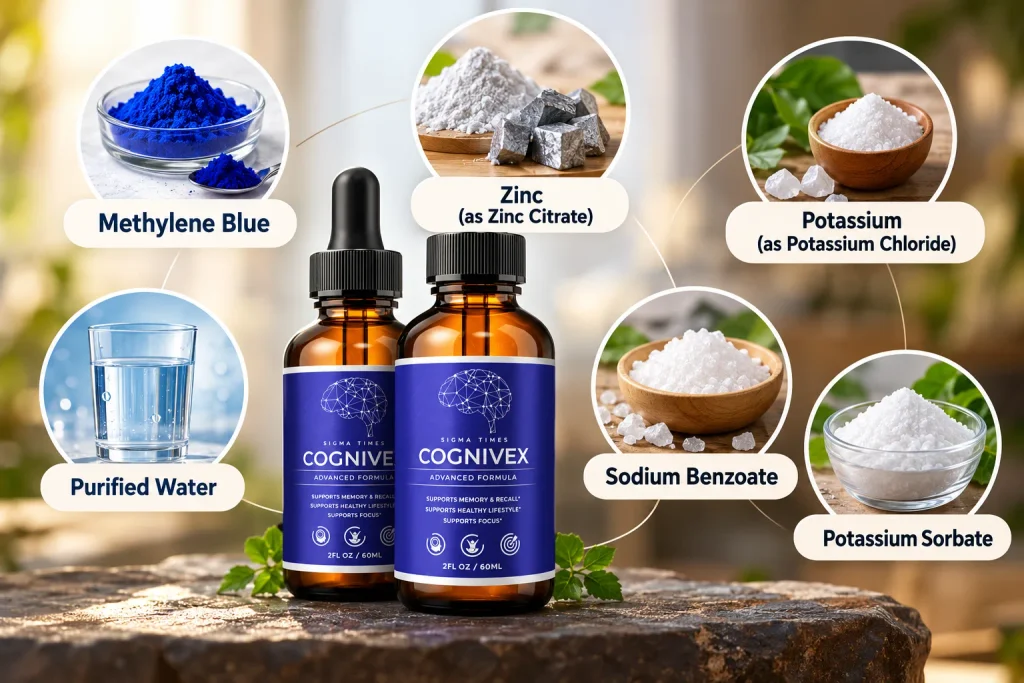
The Cognivex formula is short. That is not necessarily a bad thing: fewer ingredients means fewer moving parts and a label that is easier to evaluate. Here is what is listed.
Methylene Blue
Methylene blue is the active component of the Cognivex ingredients list. It is a synthetic dye first made in the 1870s and used in medicine for well over a century. The best-known approved use is treating methemoglobinemia, a blood condition, under the prescription drug name Provayblue.
Why is it in a brain supplement? Researchers have studied low doses for their effects on mitochondrial function, the energy-producing machinery inside your cells. The reasoning is that neurons are energy-hungry, so anything that supports cellular energy handling might, in theory, support cognition. We will look at how strong that evidence actually is shortly.
The official product description itself notes that this ingredient can come with important medication and health considerations and advises reviewing the label carefully and talking to a qualified healthcare professional first. We agree, and we would put that advice in bold.
Zinc (as Zinc Citrate)
Zinc is an essential mineral involved in immune function, cellular metabolism, and normal neurological function. Zinc citrate is a well-absorbed form. The NIH Office of Dietary Supplements sets the tolerable upper intake level for adults at 40 mg per day from all sources, so it is worth checking how much zinc you already get from multivitamins or immune supplements.
Potassium (as Potassium Chloride)
Potassium is an electrolyte that supports normal nerve signaling, muscle function, and fluid balance. Supplements typically contain small amounts. People with kidney disease or those taking certain blood pressure medications (such as ACE inhibitors or potassium-sparing diuretics) need to be careful with extra potassium.
Purified Water, Sodium Benzoate, and Potassium Sorbate
Purified water is the liquid base. Sodium benzoate and potassium sorbate are common food-grade preservatives that keep a water-based product stable and inhibit microbial growth. They are widely used in beverages and generally recognized as safe at typical levels, though a small number of people prefer to avoid them.
One honest observation: The public product description names the ingredients but does not spell out the amount of methylene blue per serving. Dose matters enormously with this compound, so check the Supplement Facts panel before buying.
How Cognivex Is Supposed to Work: Cognivex Brain Support Explained
The marketing around Cognivex brain support rests on a plausible, if still developing, idea about cellular energy.
Inside each cell, mitochondria produce ATP, the energy currency your brain constantly burns. Laboratory and animal research suggests methylene blue can act as an alternative electron carrier in the mitochondrial chain, which may help keep energy production running smoothly under stress. Some studies also point to antioxidant-like effects and to inhibition of an enzyme called monoamine oxidase (MAO).
That last point is critical, and we will return to it in the safety section. For now, the takeaway is this: the mechanism is interesting, but “interesting mechanism” is not the same as “proven benefit in healthy people taking this specific product.”

Cognivex Benefits: What the Brand Claims vs. What Research Shows
Here are the Cognivex benefits the product is positioned around, matched against what the science actually looks like.
Cognivex for Focus
People searching for Cognivex for focus usually want sustained attention without the jitters of caffeine. Small human studies of low-dose methylene blue have used brain imaging and found changes in activity in areas linked to attention and working memory. That is encouraging, but those studies were small, used specific dosing, and did not test Cognivex.
What we can fairly say: there is early research interest, but no large trial confirming a focus benefit from this particular supplement.
Cognivex for Memory
With Cognivex for memory, the evidence is similarly early. Researchers have explored methylene blue for memory consolidation. One frequently cited human study (Telch and colleagues, 2015) found low-dose methylene blue improved retention of learning in a fear-extinction therapy setting. A separate set of studies looked at older adults and found changes in working memory-related brain activity. Meanwhile, methylene blue derivatives were tested in Alzheimer’s disease trials, with mixed results.
None of this proves that a daily liquid supplement improves memory in healthy adults.
Cognivex Mental Clarity
The phrase Cognivex mental clarity is the broadest claim, and “mental clarity” is difficult to measure scientifically. Brain fog is often tied to sleep debt, stress, dehydration, blood sugar swings, thyroid issues, vitamin deficiencies, and medications. A supplement can only do so much if one of those is the real culprit.
Realistic Expectations
- Many users may experience positive support for focus and mental clarity as part of their daily routine.
- Cognivex can complement healthy habits such as quality sleep, balanced nutrition, hydration, and stress management.
- Individual experiences can vary, so results may develop gradually and differently from person to person.
- Cognivex can be used as part of a broader everyday cognitive wellness routine.
What the Science Says About Methylene Blue
To keep this review grounded, here is a plain-language look at the research landscape.
- Mitochondrial research: Studies from researchers such as Julio Rojas, Pedro Rojas-Gonzalez, and others have examined low-dose methylene blue and cellular energy metabolism in animals and cell models.
- Human imaging studies: Small trials using fMRI reported changes in brain activation with a single low dose, but sample sizes were limited.
- Psychiatry research: Early trials explored methylene blue in bipolar disorder (Alda and colleagues, 2017) and anxiety-related conditions, but these used controlled, clinician-supervised protocols.
- Alzheimer’s research: A methylene blue derivative called LMTM was studied in large trials with disappointing or mixed outcomes.
The gap that matters most: we found no published clinical trials of the Cognivex product itself. Evidence about an ingredient is not evidence about a finished formula, a particular dose, or a particular manufacturer’s quality control.
Safety First: Who Should Be Careful With Cognivex
This is the section we would not skip.
Serotonin syndrome risk
Methylene blue is a monoamine oxidase inhibitor. In 2011 the U.S. FDA issued a Drug Safety Communication warning that methylene blue (Provayblue) given with serotonergic psychiatric medications can cause serious CNS reactions, including serotonin syndrome. Drugs of concern include SSRIs, SNRIs, MAOIs, bupropion, buspirone, and some others. The FDA communication concerned injectable medical use, but the pharmacology is the reason clinicians urge caution with any methylene blue product if you take these medications.
G6PD deficiency
People with glucose-6-phosphate dehydrogenase (G6PD) deficiency can develop hemolytic anemia from methylene blue. This is a known contraindication.
Other considerations
- Pregnancy and breastfeeding: avoid unless a clinician approves.
- Kidney disease: be cautious with the potassium content.
- Urine, and sometimes skin or stool, can turn blue-green. This is expected, though startling.
- Possible side effects of methylene blue in general include nausea, headache, dizziness, and sweating.
- Methylene blue can interfere with some pulse oximeter readings and lab tests, so tell your medical team you take it.
Bottom line: If you take any prescription medication, particularly for depression, anxiety, ADHD, migraines, or blood pressure, talk with a doctor or pharmacist before trying Cognivex.
Pros and Cons of Cognivex
| Pros | Cons |
|---|---|
| Easy-to-use liquid format that fits a daily routine | No published clinical trials on the finished Cognivex product |
| Short, simple ingredient list that is easy to read | Methylene blue carries real medication-interaction risks (serotonin syndrome) |
| Includes zinc and potassium, nutrients tied to normal neurological and nerve function | Per-serving methylene blue amount not clearly stated in public product copy |
| Brand openly notes the need to consult a healthcare professional | Not suitable for people with G6PD deficiency, and caution is needed in pregnancy |
| Interesting mitochondrial-support rationale with early research interest | Can discolor urine and may cause side effects in some users |
| Preservative system helps keep the liquid stable | Benefits for healthy adults remain unproven; results vary |
| Available through an official website, which reduces counterfeit risk | Price and offers can change, so ongoing cost may add up |
Cognivex vs. Other Brain Support Options
Here is how Cognivex stacks up in general terms against other common routes. This is a conceptual comparison, not a head-to-head trial.
| Factor | Cognivex (liquid, methylene blue-based) | Caffeine + L-theanine | Typical multi-ingredient nootropic capsules | Lifestyle basics (sleep, exercise, diet) |
|---|---|---|---|---|
| Main approach | Cellular energy / mitochondrial theory | Alertness plus calm focus | Blend of herbs, vitamins, amino acids | Whole-brain, whole-body support |
| Evidence strength | Early, ingredient-level | Reasonably good for short-term attention | Varies widely by ingredient | Strongest overall |
| Interaction risk | Higher (MAO inhibition) | Low to moderate | Varies | None |
| Format | Liquid | Pill, drink, or coffee | Capsule | Not applicable |
| Cost | Check official site | Low | Moderate to high | Low |
The honest conclusion: for most people, sleep, movement, a Mediterranean-style diet, and stress management deliver the largest cognitive returns. Supplements, including this one, are an optional extra at best.
Cognivex User Review: A Real U.S. Experience
Meet “Dana,” 42, a project manager in Columbus, Ohio. She works long hours, sleeps about six hours a night, and describes afternoon brain fog and trouble concentrating in meetings. She sees Cognivex advertised and is curious about Cognivex for focus.
Step 1: Reading the label. Dana notices methylene blue on the ingredient list and a recommendation to consult a healthcare professional.
Step 2: The pharmacist conversation. She takes an SSRI for anxiety. Her pharmacist flags the potential serotonergic interaction and advises her to talk to her prescriber before taking any methylene blue product.
Step 3: The doctor visit. Her primary care doctor orders basic labs. They find borderline low vitamin D and low iron, and discuss her sleep. Her doctor recommends against methylene blue given her medication.
Step 4: The outcome. Dana improves her sleep schedule, treats the deficiencies, and adds a daily walk. Within a few weeks, she reports clearer afternoons.
The takeaway for U.S. users: Cognivex can be considered as part of a thoughtful approach to cognitive wellness. Checking the ingredient list, understanding the formula, and speaking with a healthcare professional can help users make informed choices and incorporate cognitive-support products safely into their daily wellness routine.
Cognivex Price: What to Expect
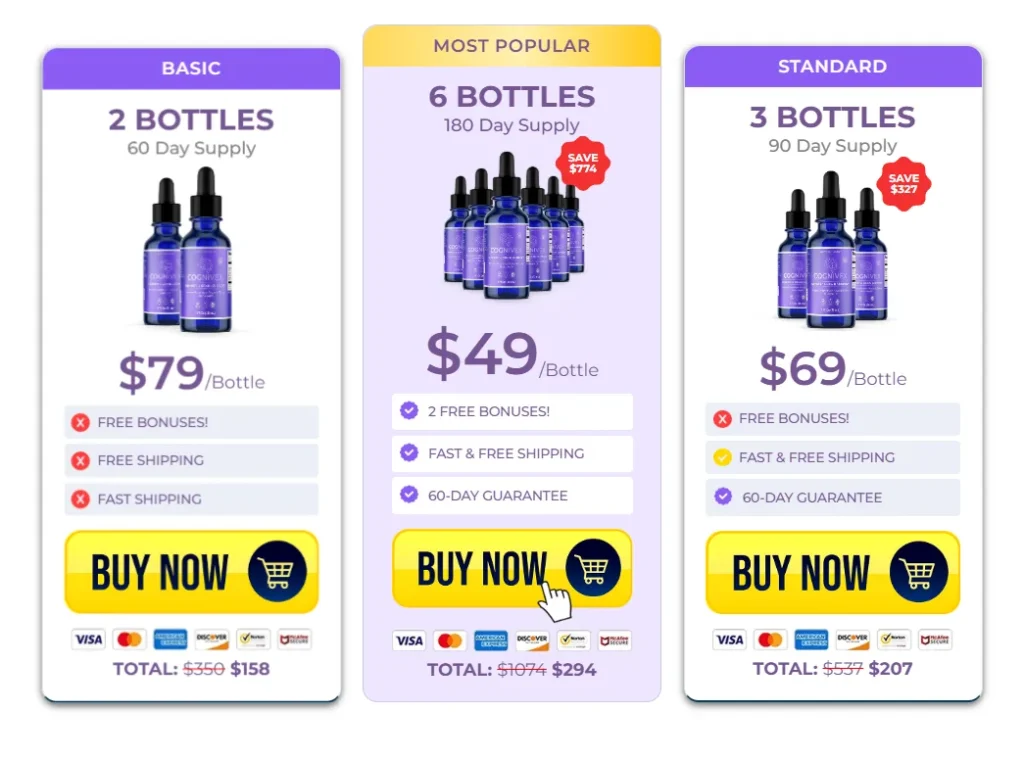
People often search for the Cognivex price first. Supplement pricing changes frequently with bundle deals, subscription discounts, and promotions, and we cannot verify today’s numbers for you. Instead of quoting a figure that may be out of date, we recommend you:
- Check the current price on the Cognivex official website
- Compare per-serving cost, not just bottle price.
- Be wary of any listing far below the official price, which can signal counterfeit or expired stock.
Where to Buy Cognivex
If you are wondering where to buy Cognivex, the safest answer is the Cognivex official website, cognivex.us. Buying from the brand’s own site helps ensure:
- You receive authentic, properly stored product
- You have access to the manufacturer’s customer support and return terms
Where to Buy Cognivex: Official Website, Price & Availability
Check the latest Cognivex pricing, package options, availability, and official purchasing details before ordering
- Supports mental clarity
- Promotes focus & concentration
- Supports memory function
- Helps support everyday brain health
Be cautious about third-party marketplaces and unfamiliar resellers, particularly for liquid supplements where storage conditions and expiration dates matter. Always check the lot number and expiration date on arrival.
How to Evaluate Any Brain Supplement (Including Cognivex)
Use this checklist before spending money on any product in this category:
- Check the full Supplement Facts panel: Are amounts listed for every active ingredient?
- Look for third-party testing: Seals from NSF, USP, or similar labs add confidence.
- Be skeptical of dramatic claims: Phrases like “limitless” or “cures brain fog” are red flags.
- Search for independent evidence: Look on PubMed and Examine.com rather than relying on ads.
- Talk to a clinician: Especially if you take any prescription medication.
- Track your own results: Note your sleep, mood, and focus for two to four weeks.
Lifestyle Habits That Support Focus and Clear Thinking
Whatever you decide about Cognivex, these habits have far stronger evidence for supporting memory, focus, and mental clarity:
- Get seven to nine hours of sleep on a consistent schedule
- Exercise regularly; even brisk walking benefits cognition
- Eat a Mediterranean-style or MIND-style diet rich in vegetables, berries, fish, and olive oil
- Stay hydrated, since mild dehydration can blunt concentration
- Manage stress with breathing exercises, meditation, or time outdoors
- Stay mentally and socially active
- Limit alcohol and review medications with your doctor if you feel foggy
Our Verdict: Is Cognivex Worth It in 2026?
Cognivex takes a different path from most brain supplements, and the underlying science of methylene blue is legitimately interesting. The liquid format is convenient, and the ingredient list is refreshingly short.
But there are real caveats. The most important ingredient is also the one with the most serious safety considerations. There are no published trials on the product itself, and the benefits for Cognivex brain support, focus, and memory in healthy adults are not established.
Our take: Cognivex may be worth discussing with a doctor if you are generally healthy, take no interacting medications, and have realistic expectations. It is a poor fit if you take antidepressants or other serotonergic drugs, have G6PD deficiency, or are pregnant or nursing. Either way, nail the sleep-exercise-nutrition basics first.
Frequently Asked Questions (FAQ)
What is Cognivex?
Cognivex is a liquid dietary supplement marketed to support memory, focus, mental clarity, and overall brain health. Its formula includes methylene blue, zinc, and potassium.
What are the main Cognivex ingredients?
The label lists methylene blue, zinc (as zinc citrate), potassium (as potassium chloride), purified water, sodium benzoate, and potassium sorbate.
Does Cognivex really improve focus and memory?
Early research on low-dose methylene blue is interesting, but there are no published clinical trials of Cognivex itself, so results cannot be guaranteed.
Is Cognivex safe?
It depends on the person. Methylene blue can interact dangerously with serotonergic medications and is not appropriate for people with G6PD deficiency. Consult a healthcare professional first.
Can I take Cognivex with antidepressants?
Generally this is a high-risk combination because of the potential for serotonin syndrome. Do not combine them without explicit medical guidance.
Will Cognivex turn my urine blue?
Methylene blue is a dye and can tint urine blue or green. This is a known, usually harmless effect, though you should still report unusual symptoms to a doctor.
How much does Cognivex cost?
Pricing changes with promotions and bundles. Check the Cognivex official website for current pricing.
Where can I buy Cognivex?
The safest place is the official website at cognivex.us. Avoid unverified third-party sellers.
How long does it take to work?
There is no established timeline. Some people may notice subtle effects; others none. Tracking your own focus and sleep for several weeks can help you judge.
Is Cognivex FDA-approved?
Dietary supplements are not FDA-approved for treating or preventing disease, and the FDA does not review them for effectiveness before sale.
Who should avoid Cognivex?
People on serotonergic medications, those with G6PD deficiency, anyone pregnant or breastfeeding, people with significant kidney problems, and children, unless a clinician approves.
Sources and Scientific Resources
- Cognivex official website: https://www.cognivex.us (product details, label, and current pricing)
- U.S. FDA, Drug Safety Communication on methylene blue (Provayblue) and serotonergic drugs: https://www.fda.gov (search “methylene blue serotonin syndrome”)
- NIH Office of Dietary Supplements, Zinc fact sheet: https://ods.od.nih.gov/factsheets/Zinc-HealthProfessional/
- NIH Office of Dietary Supplements, Potassium fact sheet: https://ods.od.nih.gov/factsheets/Potassium-HealthProfessional/
- PubMed (U.S. National Library of Medicine): https://pubmed.ncbi.nlm.nih.gov (search “methylene blue cognition,” “methylene blue memory,” and “Telch methylene blue fear extinction”)
- MedlinePlus, methylene blue and G6PD deficiency information: https://medlineplus.gov
- Examine.com: https://examine.com (independent supplement evidence summaries)
- Mayo Clinic, serotonin syndrome overview: https://www.mayoclinic.org
- CDC, antidepressant use among U.S. adults (NCHS Data Briefs): https://www.cdc.gov/nchs
- ClinicalTrials.gov: https://clinicaltrials.gov (registry of methylene blue studies)
Final Disclaimer
This article is for educational purposes only and is not medical advice. Statements about dietary supplements have not been evaluated by the FDA, and Cognivex is not intended to diagnose, treat, cure, or prevent any disease. Consult a qualified healthcare professional before starting any supplement, especially if you take medications, have a medical condition, or are pregnant or nursing. Product details and prices may change; always confirm on the official website.
For more expert-backed health tips, wellness guides, and supplement insights, be sure to read more articles on the Health Line Guide