
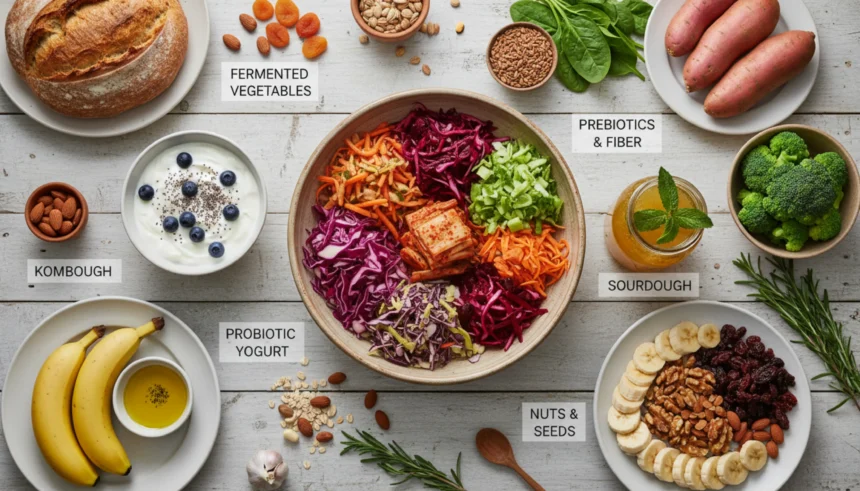
The gut plays a very important role in your overall health. By breaking down food, it helps in your digestion and plays a major role in your immunity, mood, energy levels, and over all well well-being. The best way to keep your gut flora healthy and thriving is by choosing the right gut-friendly foods on a daily basis.
In this blog, we will explore the gut-friendly foods that have high quality probiotics and fiber that help keep your microbiome in balance, as well as foods to stay away from for improved digestion and overall health in general.
What Is Gut Health?
The gut microbiome is made up of trillions of bacteria, fungi, and other microorganisms that live in your digestive tract. Gut health is the overall balance, diversity, and function of these microorganisms. These tiny creatures help digest food, absorb nutrients, fight off infections, control your immune system, and even change your mood and hormones. Your body works best when your gut microbiota is healthy and balanced. A healthy gut helps with:
- Normal Digestion
- Better Nutrient Absorption
- Strong Immune System
- Balanced Mood
- Reduced Inflammation
- Balanced healthy weight management
When your gut microbiome is imbalanced, it can lead to bloating, constipation, digestive issues, low energy, poor immunity, and even skin problems.
Probiotic Foods for Gut Health

Here are some of the best foods you can add to your daily meals to keep your gut happy, your digestion smooth, and your overall health feeling its best:
1. Yogurt
Yogurt is one of the most well-known probiotic best foods for gut health since it has a lot of live bacterial cultures, like Lactobacillus and Bifidobacterium. These good bacteria help bring back and keep a healthy balance of gut microbiota, which makes digestion better and lessens bloating and pain.
Eating yogurt on a regular basis can also help your body absorb nutrients better, boost your immune system, and even improve your metabolic health. Yogurt is also a high source of protein, calcium, and vitamins, which makes it a nutrient-dense food that is helpful for both intestinal health and general wellness.
2. Kefir
Kefir is a fermented drink that has a lot of different types of probiotics in it. This makes it even better than yogurt for gut health. It helps bring back good bacteria in the gut, aids digestion, improves the lining of the gut, and makes it easier for the body to absorb nutrients. Kefir is also good for the stomach and can help break down lactose. It can also help fight off bad bacteria that can mess up the microbiome.
3. Sauerkraut
Fermented cabbage, or sauerkraut, is full of probiotics, good enzymes, and fiber, all of which are great for your gut health. Probiotics in sauerkraut help the good bacteria in your gut grow back. The bacteria in sauerkraut help with digestion, cut down on gas, and keep the walls of the intestines and digestive tract healthy.
A lot of fiber helps the body get rid of waste and keeps the bowels moving. Vitamin C, vitamin K, minerals, and antioxidants are also included in sauerkraut. These elements help the immune system and provide important nutrients.
4. Kimchi
Kimchi is a spicy, fermented vegetable meal that is full of probiotics, fiber, and antioxidants. It is very good for your gut health. It’s good bacteria help make the gut more diverse, make digestion better, and lower inflammation.
Kimchi also has vitamins A, C, and K, helps with metabolism, and boosts the immune system. This makes it a tasty and healthy complement to a diet that is good for the gut.
5. Kombucha
Kombucha is a frothy, fermented tea that is full of natural digestive probiotics and organic acids. This makes it an excellent choice for a healthy gut. These good bacteria help your digestive system work well, cut down on bloating, and keep your gut flora in balance.
Kombucha also has a lot of antioxidants that help your body detox naturally and boost your immune system. Not only does it taste good, but it also gives your gut a little push every day.
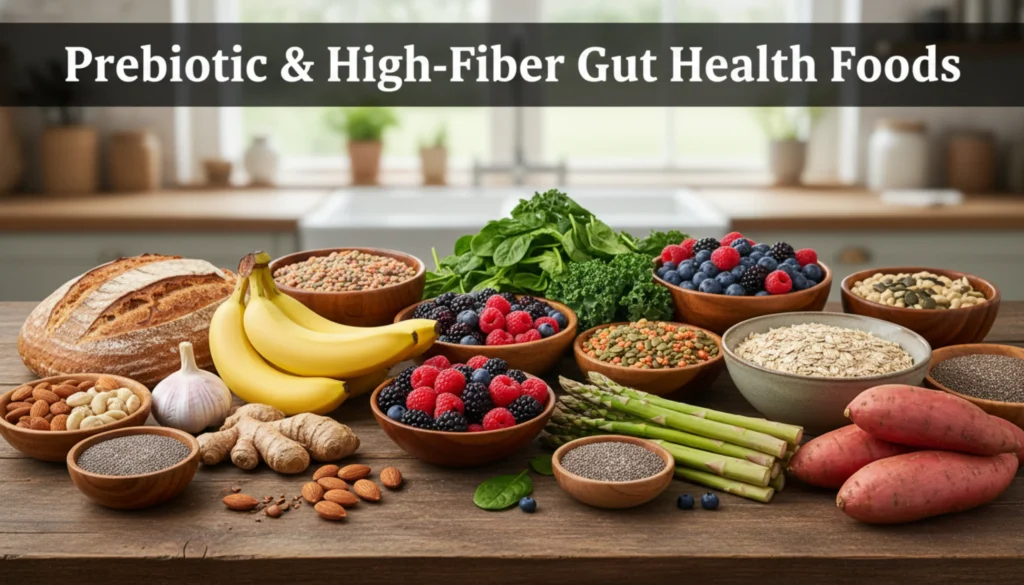
Prebiotic & High-Fiber Gut Health Foods
1. Whole Grains
Oats, brown rice, and barley are all whole grains that are great sources of prebiotic fiber. This fiber nourishes the good bacteria in your stomach and helps keep your microbiome in balance.
This fiber aids in digestion and regularity (i.e., bowel movements), as well as helps the body produce SCFAs (short-chain fatty acids), which support the gut lining and lower inflammation.
Incorporating whole grains into your daily diet will promote a more diverse gut flora, assist you with weight management, and improve your immune system. Thus, whole grains can easily be added to any healthy eating plan for the gut.
2. Bananas
Bananas are not only a tasty and easy-to-eat fruit, but they are also very good for your intestinal health. They have prebiotic fiber, especially resistant starch, which feeds good bacteria in the gut, makes the gut lining stronger, and helps digestion go smoothly. Bananas can help calm the stomach, keep bowel movements regular, and lessen bloating.
They are also full of important nutrients like vitamin C, vitamin B6, potassium, and antioxidants, which all help the gut work better and keep the metabolism healthy. Bananas can help keep your microbiome in balance and give your body a pleasant, natural source of energy.
3. Garlic
Garlic’s natural prebiotic properties can assist with digestion. Specifically, garlic has both inulin and fructooligosaccharides, which feed good bacteria in the gastrointestinal tract, while also inhibiting the growth of bad bacteria. This will allow your digestive tract to work optimally so that food moves easily through your system, allowing you to avoid the feeling of being overly full and bloated after a meal.
Garlic contains sulfur-based compounds and antioxidants that help to build up the immune system, fight infections and inflammation, assist in healing, and provide your body with a natural means of detoxification.
4. Ginger
For hundreds of years, people have taken ginger as a natural way to soothe their stomachs and lose weight.
Gingerols and shogaols are two active constituents present in ginger that help relax the stomach, reduce bloating and nausea, and lower inflammation in the digestive tract.
Using ginger in your daily meals can make the digestive process more productive by encouraging quicker movement of food through the body and promoting healthy microbiota. Additionally, using ginger will help you to speed up your metabolism, which is one of the primary reasons why people lose weight too quickly.
5. Berries
Berries are full of fiber, antioxidants, and phytonutrients that are great for your gut health and your overall health. Enriched with high fiber content, they work as a prebiotic, feed good bacteria, and strengthen your gut barrier. By lowering inflammation, it improves your digestion
Berries are also great for weight management since they help keep blood sugar levels stable, boost metabolism, and make you feel full.
6. Leafy Greens
Spinach, kale, and Swiss chard are leafy greens that are high in dietary fiber, vitamins, and antioxidants that help keep the gut healthy and the digestive system working well. The fiber in these greens works as a prebiotic, nourishing good bacteria in the gut and helping to keep the microbiome in balance.
Leafy greens are low in calories but abundant in nutrients, which can help you lose weight and speed up your metabolism. They also help with digestion and lower inflammation.
7. Legumes
Legumes like lentils, chickpeas, and beans are a high source of fibre and act as natural prebiotics. They feed good bacteria and helios in maintaining a healthy microbiome. Having fiber content helps in digestion, keeps the intestines regular, and reduces bloating and constipation.
These beans are also high in protein and complex carbohydrates, which help you control your hunger and make you feel full.
8. Nuts & Seeds
Almonds, walnuts, chia & flaxseeds are great sources of fiber, healthy fats, & antioxidants. Their fiber content provides nourishment for the beneficial bacteria in your colon (the “good guys”) & promotes better bowel movements, thereby improving your digestion.
These nuts and seeds contain polyphenols & Omega-3s (fatty acids) that reduce inflammation of your digestive system and strengthen the lining of your gut.
9. Oats
Oats contain high amounts of soluble fiber, specifically beta-glucans, which act as natural prebiotics that feed the healthy flora in the gastrointestinal (GI) tract (and thus promote balance). Soluble fibers improve your digestion, promote regularity of bowel movements, and reduce bloating. Most importantly, oats benefit your heart health and may also help to lower cholesterol.
Oats are an excellent selection for those looking to lose weight as they are high in fiber and protein, both of which help you feel full for longer periods of time.
10. Asparagus
Asparagus contains a considerable amount of fiber and acts as a prebiotic for Lactobacillus and Bifidobacteria; thus providing balance to our gut bacteria and enhancing our digestive functions by reducing the inflammatory response in our intestines.
Asparagus is low in calories and high in vitamins, minerals, and antioxidants that can contribute to boosting metabolism and supporting weight loss, improving gastrointestinal health, and a healthier immune system. Daily consumption of asparagus is likely to strengthen your stomach, aid in the absorption of vitamins, and help with digestion.
11. Almonds
Almonds are a wonderful source of prebiotic fibre, protein, and fatty acids, which promote the growth of beneficial gut flora and a balanced gut microbiome. Fibre feeds the healthy bacteria in our gut, which aids digestion and reduces bloating. Protein and fatty acids help to manage appetite and keep us satisfied to support weight control.
Almonds are also rich in vitamins, minerals, and antioxidants that not only help break down and digest food but also play an important role in immune defence and maintaining gastrointestinal health.
12. Chia Seeds
Chia seeds convert into a gel-like substance when soaked in water, making it easy to digest and helping to relieve constipation. They contain a lot of prebiotic fiber, which helps maintain the microbiome in balance by feeding healthy gut bacteria.
Chia seeds are a good source of omega-3 fatty acids, which can help lower inflammation in the digestive tract. They also offer protein and healthy fats that keep you full and help you keep your weight in check. Chia seeds are also a wonderful source of minerals, including calcium, magnesium, and phosphorus, which are healthy for your bones, intestines, and metabolism.
13. Flaxseeds
Flaxseeds are full of dietary fiber and alpha-linolenic acid (ALA), an omega-3 fatty acid that feeds good gut bacteria and helps keep the microbiome in balance. The fiber in them helps with regular bowel movements, lessens bloating, and eases stomach pain.
Flaxseeds can help in weight loss because they keep you full for longer and increase your metabolism rate. They are also beneficial for your gut since they have antioxidants and key elements like magnesium and lignans that help with digestion and general gut health.
14. Sweet Potatoes
Sweet Potatoes contain both soluble & insoluble fiber for healthy digestion. The Soluble Fibers form a gel-like substance which slows down digestion & helps maintain blood sugar levels. The insoluble fibers increase stool volume & promote healthy bowel habits.
Beta-carotene and anthocyanin are both powerful antioxidants that reduce the amount of inflammation in our stomachs while promoting healthy gut bacteria. This helps to strengthen the microbiome, making it more balanced and resilient.
Fermented & Gut-Healing Foods

1. Fermented Cheese
Gouda, cheddar, and Swiss are all examples of aged cheeses that have active probiotic bacteria in them that help keep your gut microbiota healthy. These good bacteria help keep your digestive tract in balance, promote digestion, and help your body absorb nutrients.
Aged cheeses are also good for your health because they are high in protein, calcium, and vitamins. Eating these cheeses in moderation is good for your gut health, boosts your immune system, and gives you a nutrient-rich alternative for digestive health.
2. Tempeh
Tempeh is a fermented soybean food that is full of probiotics, fiber, and plant-based protein that are good for your gut. The probiotics help keep the bacteria in the gut in check, improving digestion, and make the lining of the gut stronger. It also helps you control your weight, keeps you from eating too much, and makes you feel full for a longer period of time.
Tempeh also has important vitamins and minerals like B vitamins, magnesium, and iron that help with metabolism and making energy. Eating tempeh on a regular basis can help your body absorb nutrients better, support your metabolism, and improve your digestive health as a whole. This makes tempeh a great addition to a gut-friendly diet.
3. Miso
Miso is a fermented soybean paste that is enriched with good bacteria, enzymes, and amino acids that are very good for enhancing digestive health. Enriched with probiotics, it helps in rebuilding a healthy gut microbiome, making it easier for the body to digest food easily and absorb better nutrients.
Miso is a nutrient-dense food that is good for your gut and supports a healthy digestive system. It has protein, vitamins, and minerals.
4. Traditional Buttermilk
Buttermilk is one of the finest drinks that is considered very healthy for gut health because it naturally contains probiotics for gut health, which help keep the bacteria in the stomach in a healthy balance. It works very well to calm the stomach and keep the acidity level stable. Buttermilk is not only light, low-calorie, and tasty to eat or drink, but it also helps with digestion and keeping your weight in check.
Calcium, vitamins, and electrolytes are some of the things in buttermilk that help the immune system, help the body absorb nutrients, and help digestion. People who drink traditional buttermilk on a regular basis have been shown to have better intestinal health.
5. Fermented Pickles
Fermented pickles made without vinegar contain plenty of live bacteria that support a healthy gut microbiome. These good bacteria improve digestion, reduce excess acidity, and help maintain a balanced mix of beneficial gut microbes. They are also low in calories and rich in dietary fiber, which can increase fullness and support weight loss.
They also have antioxidants and other nutrients that help with digestion, reduce inflammation, and boost the immune system. This makes them a crunchy, tasty, and gut-friendly snack.
6. Cottage Cheese (With Live Cultures)
There are many different types of cottage cheese that have live probiotic cultures in them that help in maintaining healthy gut microbiota. These good bacteria help in digestion, help the body absorb nutrients, and keep the digestive system in balance.
Cottage cheese is also high in protein and important elements like calcium and B vitamins, which help with metabolism, keep you full, and help you lose weight.
Adding probiotic-rich cottage cheese to your diet can help your gut flora, ease digestive pain, and improve your overall digestive and metabolic health.
Worst Foods for Gut Health

Limit the consumption of foods that negatively impact the gut lining, create an environment for pathogenic bacteria, and disrupt the overall balance of the digestive system for proper gut healing. Here is a list of foods to avoid for optimum gut health:
1. Sugary Food
Refined sugars feed pathogenic bacteria and yeast; this results in an imbalance of the microbial flora in the stomach. Sugars increase inflammation, suppress the immune system, and lead to bloating, constipation, and fatigue.
2. Processed Meats
Preservatives, chemicals, and nitrates within hot dogs, sausage, bacon, and deli meats kill beneficial microbes in the gut. As a result, these products will increase the level of inflammation in the body and contribute to increased levels of toxins in the body and damage to the intestinal walls.
3. Fried Foods
Foods fried in oil create very unhealthy and chemically toxic fats that can cause your digestive system to malfunction, as well as stress the gut, limit the absorption of nutrients from food, and produce high amounts of both acid and gas – this eventually leads to discomfort.
4. Artificial Sweeteners
In a study conducted by the Mayo Clinic, saccharin, aspartame, and sucralose have all been shown to alter the gut microbiome (the mix of bacteria in your gut) in an adverse way by removing beneficial bacteria, contributing to Gastrointestinal problems, increasing your appetite and weight gain, and changing your metabolism.
5. Excessive Drinking
Excessive drinking can irritate and inflame the intestinal lining, impacting its ability to take in nutrients and play host to harmful microbes. An excessive amount of alcohol may also create an environment that is hostile to healthy gut bacteria, thus reducing the ability of body to digest food.
6. Highly Processed Carbohydrates
Highly processed carbohydrates, such as white bread, pastries, spaghetti, or processed cereals, are processed, meaning they lack fiber and minerals. They are rapidly converted to sugar and thus provide fuel to feed bad bacteria while raising blood sugar levels, leading to gastrointestinal disturbances.
FAQs
1. Can gut health affect my skin?
Yes, gut health affects your whole body and especially your skin through the gut-skin axis. When the gut microbiome is imbalanced, it increases inflammation and poor nutrient absorption, which may trigger skin issues such as acne, eczema, rosacea, and dryness.
2. How much fiber do I need daily for a healthy gut?
For a healthy gut as an adult, you generally need 25-38 g of fiber per day to support a healthy gut microbiome. Fiber supports healthy bacteria in the body, aids in digestion, prevents constipation, and helps manage blood sugar and a healthy weight. Soluble fibres, such as oats, fruits, and legumes, combined with insoluble fibres such as vegetables, whole grains, and nuts, will support a healthy balance in your digestive system.
3. How to improve gut health naturally?
Eating more whole foods that are high in fiber, adding probiotic and prebiotic foods to your meals, staying hydrated, controlling stress, and getting regular exercise are all natural ways to promote gut health. These are simple habits but are very effective in keeping your microbiota in balance, lowering inflammation, and making digestion easier.
4. Can gut health affect weight loss?
Yes, your gut health can affect how much weight you lose. A balanced microbiome speeds up metabolism, decreases hunger, lowers inflammation, and helps digestion, all of which make it easier to lose weight. An unhealthy stomach can slow down all of these processes and make it harder to lose weight.
5. Does drinking enough water help gut health?
Yes, drinking adequate water is very important for keeping your stomach healthy. Proper water helps break down food, keeps digestion going smoothly, and keeps you from being constipated by making your stool softer. Water also helps keep the stomach lining healthy and stimulates the formation of good gut bacteria.
6. What are the signs that your gut microbiome is imbalanced?
When the gut microbiome is imbalanced, it shows signs like bloating, constipation, diarrhea, acne, frequent colds, sugar cravings, gas, low mood, and unexplained fatigue.
7. What are best infant probiotic for gut health?
The best infant probiotics for gut health are those specifically formulated for babies, containing gentle, clinically researched strains that support digestion, immunity, and a healthy gut microbiome. Look for probiotics that include strains such as Bifidobacterium infantis, Bifidobacterium lactis, and Lactobacillus rhamnosus GG, as these are naturally found in the digestive systems of healthy infants and are known to aid in reducing gas, colic, constipation, and overall tummy discomfort. Liquid drops and powdered probiotics designed for newborns to 12-month-old babies are usually safest and easiest to digest.
Conclusion
The foods you consume daily have an enormous effect on your digestive system and, therefore, overall health. If you incorporate additional high-fiber or probiotic-based foods into your diet, you will have more energy than you ever thought possible.
You will also have greater efficiency in immunity because your system will be able to fight off illnesses and maintain balance better than before. When you consume less than optimum foods, you may have compromised digestive systems and an unbalanced gut, leading to digestive distress.
Making small dietary changes can make a world of difference in your life, beginning with your stomach.