


Tinnitus — For some, it’s a faint background hum; for others, it’s a constant companion that disrupts sleep, focus, and emotional well-being. While tinnitus is not a disease in itself, it can feel overwhelming, especially when silence becomes hard to find.
People describe tinnitus support in many ways — ringing, whooshing, clicking, or even a roaring noise. It can affect one ear or both, and it often grows more noticeable at night or during quiet moments. Beyond the sound itself, the emotional toll can be heavy. Constant ear noise may cause frustration, irritability, sleep issues, or even anxiety.
The good news? There are natural tinnitus support options that can help soothe the mind, calm the nervous system, and promote long-term ear and brain wellness. Through the right diet, lifestyle changes, and holistic care, you can reduce tinnitus intensity and rediscover the peace you deserve.
Understanding Tinnitus
Tinnitus isn’t a disease — it’s a symptom of something affecting your auditory system. This may include the ear, auditory nerve, or even parts of the brain that process sound.
There are two primary types of tinnitus:
- Subjective tinnitus: The most common form, heard only by the individual. It often results from issues in the ear or brain.
- Objective tinnitus: Much rarer, this can sometimes be heard by a doctor using a stethoscope and is often linked to blood flow or muscle contractions.
Common causes of tinnitus include prolonged exposure to loud noises (like concerts or headphones), age-related hearing decline, ear infections, wax buildup, or even high stress levels. Certain medications — such as strong antibiotics or aspirin — may also trigger or worsen symptoms.
Tinnitus is also closely tied to hearing loss and nervous system function. When your auditory cells are damaged, your brain compensates by amplifying internal sound signals. This creates the perception of ringing or buzzing even when there’s no external sound. Understanding these connections helps guide effective tinnitus relief strategies that address both the body and mind.
Signs and Symptoms You Shouldn’t Ignore
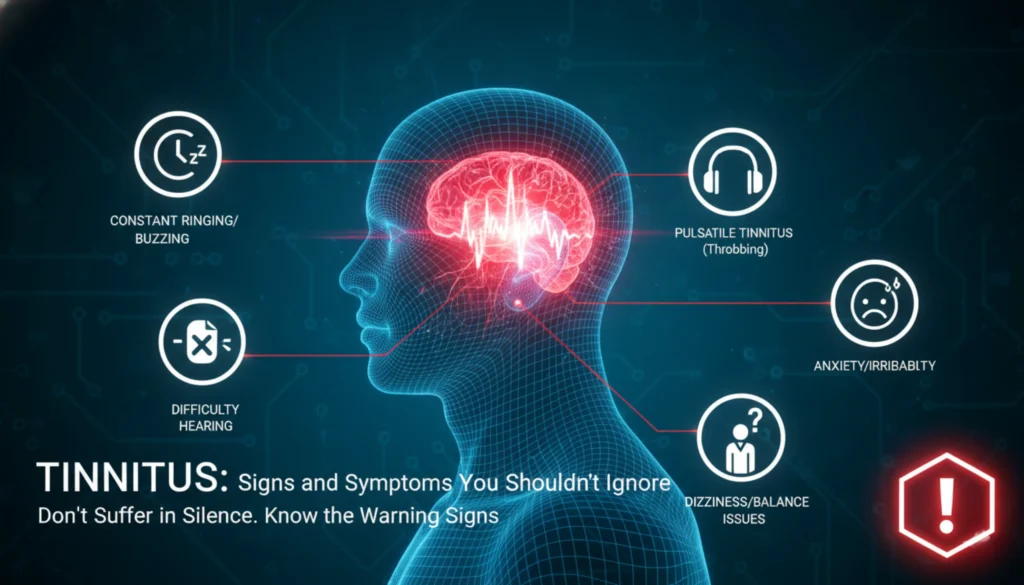
1. Persistent ringing or buzzing in the ears (Tinnitus)
Tinnitus is the perception of sound—such as ringing, buzzing, hissing, or humming—when no external sound is actually present. It’s often a sign that something is affecting the auditory system, which includes the ear, the auditory nerve, and the brain’s sound-processing centers.
Possible causes include:
- Prolonged exposure to loud noises (concerts, machinery, headphones)
- Earwax buildup
- Ear infections or fluid in the middle ear
- Age-related hearing loss
- Underlying health issues like high blood pressure or TMJ disorders
Why it matters:
While occasional ringing is common, persistent tinnitus could indicate damage to the inner ear or a more serious condition affecting hearing or circulation. Early evaluation can help prevent further hearing loss.
2. Difficulty focusing or sleeping
Hearing issues or constant ear-related sensations (like tinnitus) can interfere with concentration and rest.
Possible reasons include:
- The brain’s ongoing effort to “filter out” or interpret abnormal sounds (like tinnitus)
- Sleep disruption caused by persistent ear noise or discomfort
- Stress or anxiety associated with ear symptoms
- Reduced auditory input leading to cognitive strain—your brain works harder to process sounds, causing mental fatigue
Why it matters:
Chronic sleep deprivation and mental strain can worsen ear-related symptoms and affect your mood, memory, and overall well-being. Addressing the root cause—whether it’s tinnitus, hearing loss, or stress—is essential for restoring focus and healthy sleep.
3. Sensitivity to sound (Hyperacusis)
Hyperacusis is an increased sensitivity to everyday sounds—such as running water, traffic noise, or conversations—that most people find tolerable.
Possible causes include:
- Noise-induced hearing damage
- Head injuries or concussions
- Ear infections or surgeries
- Neurological conditions (e.g., migraines, Bell’s palsy)
- Stress or anxiety disorders
Why it matters:
Hyperacusis can make daily life uncomfortable or even painful. It can also lead to social withdrawal or emotional distress. Early assessment by an audiologist or ENT specialist can help identify the cause and guide sound therapy or other treatments.
4. Dizziness or balance issues
The inner ear not only handles hearing but also controls balance through the vestibular system. Problems here can cause dizziness, vertigo (a spinning sensation), or unsteadiness.
Possible causes include:
- Inner ear infections (labyrinthitis or vestibular neuritis)
- Benign paroxysmal positional vertigo (BPPV), where tiny calcium crystals move into the wrong part of the ear
- Low blood pressure or dehydration
- Certain medications or neurological disorders
Why it matters:
Persistent dizziness or balance problems can increase the risk of falls and may signal an underlying ear or neurological issue. Timely diagnosis helps ensure proper treatment and prevents complications.
4. The Science Behind Tinnitus
At its core, tinnitus is about how the brain interprets sound signals. When sound-detecting hair cells in the inner ear are damaged — due to noise, aging, or injury — they send erratic electrical signals to the brain. The brain interprets these as sound, even though there’s no actual external source.
This phenomenon is similar to how a missing limb can create phantom sensations. In tinnitus, it’s a “phantom sound” that the brain continues to perceive.
Inflammation, stress, and poor circulation also play key roles. Reduced blood flow to the auditory system limits oxygen and nutrient delivery, making it harder for the ears to function properly. Chronic stress increases cortisol levels, heightening sensitivity and making tinnitus seem louder.
The mind-ear connection is powerful — anxiety and worry amplify perception. That’s why many natural remedies for tinnitus focus on calming the nervous system, improving circulation, and reducing inflammation to restore balance to both brain and ear. Supporting gut health also plays a key role, as a balanced microbiome can help regulate inflammation and enhance overall neural and auditory wellness.
Natural Tinnitus Support Methods
a. Diet and Nutrition for Ear Health
Your diet plays a big role in supporting auditory and nerve health.
Essential nutrients include:
- Magnesium: Helps regulate nerve signals and reduce auditory stress.
- Zinc: Supports immune defense and inner-ear function.
- Vitamin B12: Vital for nerve repair and sound signal transmission.
- Vitamin D: Maintains calcium balance and supports bone and auditory health.
Incorporate foods like leafy greens, avocados, nuts, citrus fruits, and fatty fish. Also, an anti-inflammatory diet — rich in whole grains and antioxidants — can help reduce internal stress.
Avoid excess caffeine, processed sugar, and alcohol, as these can worsen tinnitus symptoms and elevate stress hormones.
b. Lifestyle Adjustments
Simple daily habits can make a big difference:
- Manage stress: Mindfulness, meditation, and yoga calm the nervous system.
- Limit loud noise exposure: Reduce headphone volume and take breaks in quiet spaces.
- Prioritize sleep: Poor rest can heighten tinnitus sensitivity.
- Stay hydrated and maintain posture: Proper hydration and circulation enhance ear function.
c. Home Remedies That Help
- Sound therapy: White noise machines, ocean sounds, or soft background music can help mask tinnitus.
- Essential oils: Lavender and chamomile promote relaxation and ease tension.
- Gentle ear massage: Stimulates blood flow and relieves pressure.
Together, these habits create a foundation for long-term tinnitus relief and emotional balance.
Tinnitus Supplements and Herbal Support
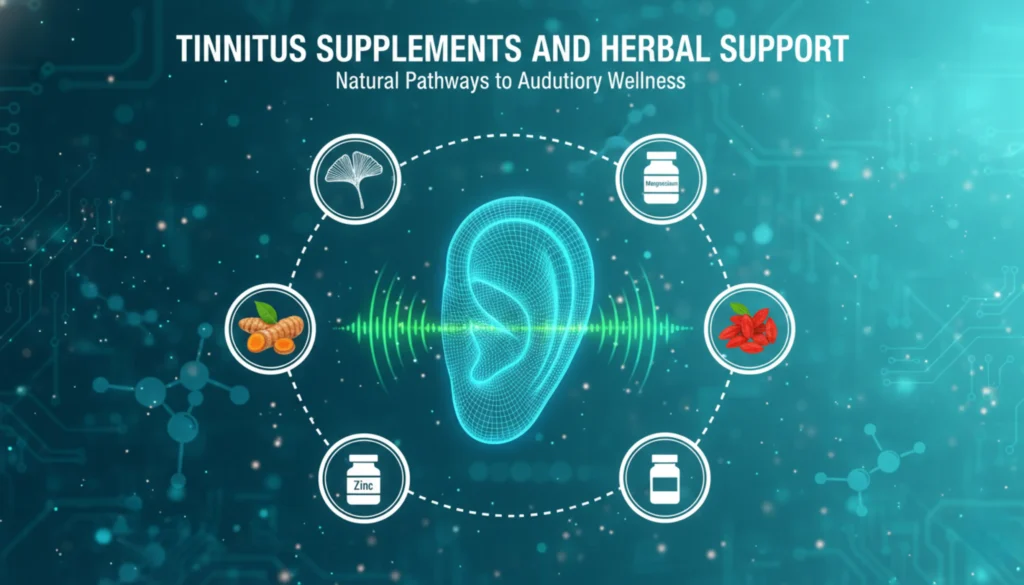
Modern nutrition science and herbal medicine offer targeted tinnitus relief supplements designed to nourish ear and brain function.
Common ingredients include:
- Ginkgo Biloba: Improves blood flow to the inner ear and reduces oxidative stress.
- Magnesium & Zinc: Protect auditory nerves from further damage.
- Vitamin B Complex: Enhances brain and nerve communication.
- Garlic & Hawthorn Berry: Natural anti-inflammatories that support heart and vascular health.
Many people explore formulas like Audizen or Quietum Plus, which combine these ingredients for comprehensive tinnitus support.
When choosing a supplement, look for:
- Transparent labeling with clinical-grade ingredients
- GMP and FDA-registered manufacturing
- Positive customer reviews and third-party testing
The best tinnitus supplements 2025 emphasize circulation, inflammation control, and neural calm — three key pillars of ear health.
Medical Treatments and Professional Therapies
While lifestyle changes and supplements can provide relief, some people benefit from medical treatments such as:
- Hearing aids: Amplify external sounds to mask tinnitus.
- Masking devices: Produce white noise or customized tones to help the brain tune out ringing.
- Cognitive Behavioral Therapy (CBT): Helps manage the emotional response to tinnitus.
- Sound retraining therapy: Gradually desensitizes the brain to the internal sound.
Doctors may also prescribe medications to reduce anxiety or inflammation, but these are used cautiously and short-term.
The Role of Mental Health in Tinnitus Relief
Mental health plays a crucial role in managing tinnitus and finding lasting relief. Constant ringing or buzzing in the ears can heighten stress, anxiety, and frustration, which in turn amplify tinnitus symptoms — creating a challenging cycle. Addressing emotional well-being through mindfulness, meditation, and relaxation techniques can help calm the nervous system and reduce tinnitus perception.
Cognitive Behavioral Therapy (CBT) is another effective approach, teaching individuals to shift focus away from the noise and manage stress more effectively. Support groups, both online and in-person, also provide valuable emotional connection and coping strategies. Maintaining a balanced lifestyle — including adequate sleep, physical activity, and positive mental focus — helps improve resilience and restore calm.
By nurturing mental health, tinnitus support sufferers can reduce the emotional burden of the condition and experience a greater sense of peace and control in daily life.
Preventive Measures for Long-Term Tinnitus Support
To keep your ears healthy long-term, consistency is key:
- Get regular hearing check-ups — early detection prevents worsening.
- Protect your ears with earplugs in noisy environments.
- Avoid ototoxic medications when possible.
- Stay active — physical exercise enhances circulation and nerve resilience.
Prevention and awareness are your best tools for lasting tinnitus support and hearing preservation.
Audizen: Advanced Natural Support for Tinnitus Relief
If you’re ready to take the next step toward calmer hearing, Audizen offers powerful, natural tinnitus support designed to nourish the ear and nervous system. Formulated with key ingredients like Ginkgo Biloba, Zinc, and Vitamin B12, Audizen helps improve circulation, reduce oxidative stress, and promote auditory balance. Users report feeling more relaxed and experiencing reduced ringing intensity over time. Add Audizen to your daily wellness routine and take a proactive step toward clearer hearing and lasting inner peace.

Frequently Asked Questions
1. What are the best natural remedies for tinnitus support?
Some of the most effective natural remedies for tinnitus include improving your diet with magnesium and zinc-rich foods, using white noise or sound therapy, managing stress through mindfulness, and trying herbal ingredients like Ginkgo Biloba or Garlic Extract. These promote better circulation and nerve health, which can reduce tinnitus intensity over time.
2. Does stress make tinnitus worse?
Yes. Stress is one of the most common triggers for worsening tinnitus. When stress hormones rise, they heighten sensitivity to internal sounds, making the ringing or buzzing seem louder. Incorporating relaxation practices like yoga, meditation, and deep breathing can help calm both your body and your hearing system.
3. Can poor blood circulation cause tinnitus?
Absolutely. Restricted blood flow to the inner ear reduces oxygen and nutrient delivery, which may damage auditory cells and increase tinnitus symptoms. That’s why tinnitus support supplements often include ingredients like Hawthorn Berry, Ginkgo Biloba, and CoQ10 — all known to improve vascular and auditory health.
4. Are tinnitus relief supplements safe for daily use?
Most tinnitus supplements are formulated with natural, non-GMO ingredients that are safe for long-term use. However, it’s essential to choose products made in GMP-certified and FDA-registered facilities. Always read labels and consult a healthcare professional, especially if you have existing medical conditions or take prescription medications.
5. Can tinnitus improve naturally over time?
Yes, in many cases, tinnitus can improve or even fade with the right care. Reducing loud noise exposure, eating nutrient-dense foods, managing stress, and supporting ear health with natural tinnitus supplements can all contribute to gradual improvement. Consistency and patience are key to long-term relief.
6. Can tinnitus be a sign of hearing loss?
Yes, tinnitus and hearing loss often occur together. When the tiny hair cells in your inner ear become damaged — due to aging, loud noises, or poor circulation — your brain compensates by “creating” sound, leading to ringing or buzzing. Supporting hearing health and ear function with proper nutrition and supplements may help reduce symptoms.
7. What lifestyle changes can help with tinnitus relief?
Simple lifestyle adjustments can make a huge difference. Avoid prolonged headphone use, keep the volume low, manage stress levels, stay hydrated, and get quality sleep. A diet rich in antioxidants and omega-3 fatty acids also supports ear and brain health, helping to naturally reduce tinnitus intensity over time.
8. How long does it take for tinnitus support supplements to work?
Results vary for everyone, but many users notice subtle improvements within 3–6 weeks of consistent use. The key is patience and consistency — natural tinnitus support supplements work best when combined with healthy habits like proper diet, regular exercise, and mindfulness to improve overall circulation and nervous system balance.
Conclusion
Living with tinnitus can feel isolating, but it doesn’t have to control your life. With the right combination of natural tinnitus support, stress management, and ear-friendly habits, relief is entirely possible.
Remember — your body and brain are deeply connected. By nourishing your system with the right foods, movement, and supplements, you can reduce the ringing and regain balance.Stay consistent, stay hopeful, and explore natural solutions to support your ear and nervous system health.
If you’re ready to take the next step, explore trusted tinnitus relief supplements and begin your journey toward calmer, clearer hearing today.