

The prostate gland is a tiny organ that sits directly below the bladder and in front of the rectum. It is about the size of a walnut. Even though it’s little, it is quite important to a man’s reproductive and urinary systems. Its main job is to make seminal fluid, which is the nutrient-rich liquid that protects and feeds sperm during ejaculation. This fluid also makes it easier for sperm to migrate, which increases fertility and general reproductive health.
But as men get older, they often worry more and more about their prostate health. As men become older, their prostate gland naturally gets bigger. This is called Benign Prostatic Hyperplasia (BPH). It can cause uncomfortable urinary symptoms include needing to urinate often, having trouble starting or keeping urine flow, or having a weak stream. Prostatitis (inflammation of the prostate) and prostate cancer, which is one of the most common cancers in men around the world, are two more common prostate problems.
It is very important to know about these disorders because finding them early and getting preventive therapy can make a big difference in the results. Experts believe that a balanced diet, moderate exercise, and staying hydrated are all important for keeping the prostate healthy. Studies have also shown that some foods, vitamins, and natural supplements can help protect the prostate by lowering inflammation, keeping hormones in balance, and encouraging proper cell growth.
Keeping your prostate healthy isn’t only about avoiding disease; it’s also about keeping your energy, health, and quality of life as you become older. We’ll look at the best and worst foods for prostate health, the vitamins and minerals that protect this important gland, the finest prostate health supplements, and useful recommendations that every man can use to stay healthy for a long time in this complete guide.
What Is the Prostate, and What Does It Do?
The prostate gland is a small but very significant organ that is very crucial for a man’s reproductive and urinary health. The prostate is about the same size and shape as a walnut and is located right below the bladder and in front of the rectum. It goes around the urethra, which is the tube that takes urine and semen out of the body. This is why disorders with the prostate can impact both sexual health and urinary function.
The prostate is small, but it is very important for reproduction. The prostate’s major job is to make a fluid called prostate fluid, which is about 20–30% of semen. This fluid not only carries sperm, but it also has enzymes, proteins, and minerals that protect and feed sperm as they go through the female reproductive system. Sperm would have a hard time living without prostate fluid, which would make it less likely that they would fertilise an egg.
The prostate not only makes prostate fluid, but it also helps the muscles contract during ejaculation. This helps to push sperm out of the urethra forcefully during orgasm. These contractions are part of the complicated process of sexual reproduction. If the prostate is not healthy, it might affect sexual performance or fertility.
As men get older, their prostate may go through a number of normal changes. Benign Prostatic Hyperplasia (BPH) is a disorder in which the gland often gets bigger. BPH is usually not malignant, but it can make it hard for urine to flow normally, which can cause symptoms including needing to urinate often, a weak urine stream, and trouble fully emptying the bladder.
There are also cells in the prostate that can change in a bad way, which can cause prostate cancer. This is one of the most prevalent tumours in males, especially those over 50. If prostate cancer isn’t found, it can spread to other parts of the body, but it usually grows slowly.
In short, the prostate is little, yet it does a lot of different things. It has a big role in sexual health, urinary function, and general wellness. Men can safeguard this important organ and stay healthy as they get older by learning how the prostate operates and what to look for when it goes wrong.
Common Prostate Problems in Men
The chance of having prostate problems goes up as men get older. In reality, a lot of guys have problems with their prostates at some time in their life. These disorders can cause anything from minor pain to more serious health problems. Benign Prostatic Hyperplasia (BPH), prostatitis, and prostate cancer are the three most prevalent issues with the prostate. It is very important to know about these disorders in order to find them early, stop them from happening, and cure them.
1. Benign Prostatic Hyperplasia (BPH)—Enlarged Prostate
Benign Prostatic Hyperplasia (BPH), also known as an enlarged prostate, is one of the most frequent prostate problems that men have as they become older. The prostate normally gets bigger as a man gets older, and in most situations, this growth is not a sign of cancer. BPH is not malignant and is usually caused by hormonal changes that happen as people get older.
The prostate can press on the urethra, which is the tube that delivers pee from the bladder to the outside of the body, when it gets bigger. This pressure causes a number of urinary issues, such as:
- Frequent urination, especially at night (nocturia)
- Difficulty starting or stopping urine flow
- A weak or interrupted urine stream
- Incomplete bladder emptying, which can lead to urinary retention
- Urgency (a strong need to urinate immediately)
BPH itself is not life-threatening, but it can make a man’s life much worse by causing sleep problems, pain, and, if not treated, urinary tract infections (UTIs) or bladder damage. Depending on how bad the symptoms are, treatment options can include drugs, minimally invasive therapies, or surgery in more serious situations.
2. Prostatitis – Inflammation of the Prostate
Prostatitis refers to inflammation of the prostate and can cause a wide range of symptoms. It is most commonly caused by bacterial infections but can also result from other factors such as an autoimmune response or nerve irritation. Prostatitis is often categorized into four types:
- Acute Bacterial Prostatitis: This is a serious infection caused by bacteria that can lead to fever, painful urination, lower abdominal discomfort, and in severe cases, sepsis. It requires immediate medical treatment with antibiotics.
- Chronic Bacterial Prostatitis: Less common than the acute form, chronic bacterial prostatitis can be more challenging to treat and may cause persistent discomfort or recurrent infections.
- Chronic Non-Bacterial Prostatitis (Chronic Pelvic Pain Syndrome): This is the most common form of prostatitis. It is not caused by bacteria but can lead to long-term pelvic pain, discomfort during or after urination, and sexual dysfunction. The cause is often unclear, but it may be linked to inflammation or pelvic floor muscle dysfunction.
- Asymptomatic Inflammatory Prostatitis: In some cases, prostatitis causes no noticeable symptoms, but inflammation is detected during other medical exams or procedures.
Prostatitis can be acute and severe or chronic and milder in nature, but it can significantly affect a man’s urinary health and sexual function. Treatment typically includes antibiotics, anti-inflammatory medications, and alpha-blockers to help relax prostate muscles and improve urine flow.
3. Prostate Cancer – A Malignant Growth in the Prostate
Prostate cancer is one of the most frequent cancers in males, especially those over 50. There is no known cause of prostate cancer, although some things, such age, family history, and genetics, make it more likely to happen. Prostate cancer starts when cells in the prostate gland start to grow out of control, forming tumors that can spread (metastasize) to other regions of the body.
In the beginning, prostate cancer may not show any signs, which is why regular testing like Prostate-Specific Antigen (PSA) tests and digital rectal exams (DRE) are important for finding it early. Some symptoms that may appear when the condition gets worse are:
- Painful urination
- Blood in urine or semen
- Difficulty achieving or maintaining an erection
- Pain in the lower back, hips, or pelvis
Most of the time, prostate cancer grows slowly, and many men with it won’t have any symptoms for years. Some people may even die from various things without ever experiencing symptoms of their prostate cancer. But for more severe types of prostate cancer, treatment is necessary and may include surgery, radiation therapy, chemotherapy, hormone therapy, or immunotherapy.
Targeted medicines and prostate cancer vaccinations have given men with advanced stages of the illness fresh hope in the last several years. Men with prostate cancer often work closely with their doctors to figure out the best way to treat the cancer based on its stage and the patient’s own health.
Symptoms of Prostate Problems
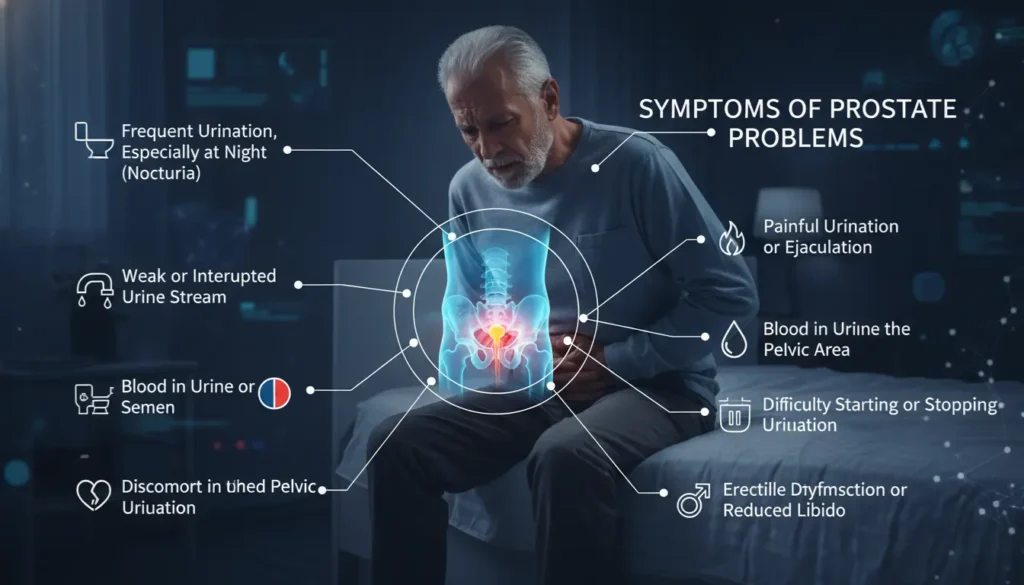
It’s really important to know the signs of prostate problems early on so that more problems don’t happen and therapy can start right away. It’s vital to know the warning signals because many prostate problems, such as Benign Prostatic Hyperplasia (BPH), prostatitis, and prostate cancer, have similar symptoms. Problems with the prostate can affect both sexual and urinary health, so it’s important to pay attention to any changes in both areas.
1. Frequent Urination, Especially at Night (Nocturia)
Nocturia, or the desire to urinate often, especially at night, is one of the most common indications of prostate disorders, notably Benign Prostatic Hyperplasia (BPH). Because the enlarged prostate pushes on the urethra, it can induce an overactive bladder and make a man have to get up several times during the night to pee.
You could also have to go to the bathroom a lot during the day, and the need to go may get so strong that it’s hard to hold it for a long time. This symptom might make it hard to go about your regular life and sleep well, which can make you tired and irritable. Nocturia is not always an indication of cancer, but it should be looked into to rule out other prostate problems.
2. Weak or Interrupted Urine Stream
Another common sign of prostatic enlargement (BPH) is a weak or broken urine stream. When the prostate gets bigger, it can block the flow of urine via the urethra, making it hard to start or keep a constant stream. The pee may start and stop without warning or may drip at the end.
In very bad circumstances, some men may not be able to urinate at all, which is a medical emergency. A weak or inconsistent urine stream might also be a sign of prostatitis or a prostate infection, which makes it hard to urinate normally.
3. Painful Urination or Ejaculation
Another possible indicator of prostate dysfunction is painful urination, sometimes known as dysuria. Several things might cause this pain or burning feeling when you pee, such as prostatitis (inflammation of the prostate) or an infection. Men with chronic prostatitis typically say they have a sharp pain or dull aching in their pelvic area. The pain can also make ejaculation uncomfortable.
If you feel pain when you ejaculate or urinate, you need to contact a doctor right once. In some circumstances, it can mean that you have an illness that needs medicines or other therapies to get better.
4. Blood in Urine or Semen
Blood in the urine (hematuria) or semen (hematospermia) is a more serious sign that should never be disregarded. Blood in the urine may not necessarily be a sign of prostate problems, but it could be a sign of an infection, prostate cancer, or problems with benign prostatic hyperplasia (BPH). Hematuria can be as little as a few drops of blood or as severe as a lot of bleeding. It’s important to find out what’s causing it right once to rule out serious diseases.
Blood in semen is also uncommon, but it could mean that you have an infection or inflammation in your prostate. Even while it usually goes away on its own, it’s important to see a doctor to be sure there aren’t any underlying prostate problems that need treatment.
5. Discomfort in the Pelvic Area
Pelvic pain or discomfort is a common sign of prostatitis, but it can also happen to men with BPH or prostate cancer. The pain can be anything from a subtle ache to acute, stabbing pains, and it can be in the lower abdomen, pelvic area, or lower back. Men may also feel heavy or full in their pelvic area.
If you have chronic prostatitis, the discomfort may last for weeks or months and get worse when you sit for long periods of time, have sex, or even have a bowel movement. If you have pelvic discomfort along with other symptoms like painful urination or trouble ejaculating, you should see a doctor right once.
6. Difficulty Starting or Stopping Urination
Men with BPH or prostatitis typically say that they have trouble starting to pee, especially when they really need to go. The enlarged prostate puts pressure on the urethra, which makes it tougher to start the flow of pee.
Men with prostate problems may sometimes have trouble stopping peeing once the flow starts. This can make you dribble or leak after you pee, which is not only annoying but also embarrassing. If these symptoms don’t go away, they could mean that there is a blockage in the urinary tract. In that case, you should see a doctor to find out what’s wrong and what the best treatment is.
7. Erectile Dysfunction or Reduced Libido
Erectile dysfunction (ED) or a lower libido are not generally linked to prostate problems, but they can be side effects of prostatitis or prostate cancer. Chronic pain and inflammation in the prostate can cause sexual dysfunction, which makes it harder for men to get an erection or enjoy being close to someone.
Also, therapies for prostate cancer, such surgery or radiation, may have adverse effects that influence sexual health, which could cause permanent ED or lower libido. If these things happen, it’s important to talk to a doctor about them because there are ways to deal with sexual health problems.
When to See a Doctor
If any of these prostate health problems last more than a few days or get worse over time, you should consult a doctor right once. If discovered early, many prostate issues, such as Benign Prostatic Hyperplasia (BPH) and prostatitis, can be treated well. But you should constantly look into symptoms like blood in your urine or semen or painful ejaculation because they could be signals of something more serious, like prostate cancer.
To find out what’s wrong with the prostate, doctors usually use a physical exam, blood tests, urine tests, and imaging tests like an ultrasound or MRI. Sometimes, a prostate biopsy or PSA test may be needed to make sure that cancer or another problem is present.
10 Best Foods for Prostate Health

A healthy diet plays a major role in maintaining prostate function and reducing the risk of conditions like BPH, prostatitis, and prostate cancer. Below are some of the most research-backed foods known to promote prostate wellness:
1. Tomatoes—A Rich Source of Lycopene
Lycopene, a strong antioxidant, lends tomatoes their red color. Lycopene has been related to a lower incidence of prostate cancer and prostatic hypertrophy. It helps protect prostate cells from oxidative damage and keeps hormones in balance.
👉 Tip: Cooked or processed tomatoes (like tomato sauce or soup) enhance lycopene absorption when paired with a small amount of healthy fat such as olive oil.
2. Broccoli—Detoxifying and Anti-Cancer Properties
Sulforaphane is a chemical found in broccoli and other cruciferous vegetables, such as cauliflower, kale, and Brussels sprouts. It helps the body detoxify itself and protects against malignant cell growth.
Eating broccoli on a regular basis may help lower inflammation and make the prostate environment healthier.
👉 Tip: Lightly steam broccoli to preserve its nutrients and enhance its protective compounds.
3. Green Tea—Nature’s Anti-Inflammatory Brew
Green tea has a lot of catechins, which are antioxidants that can protect prostate cells from DNA damage and slow down the growth of tumors. Studies have shown that men who consume green tea on a regular basis are less likely to have prostate cancer.
👉 Tip: Enjoy 2–3 cups daily, but avoid excessive caffeine intake if you’re sensitive.
4. Salmon – Rich in Omega-3 Fatty Acids
Salmon, sardines, and mackerel are fatty fish that are abundant in omega-3 fatty acids, which are very good for reducing inflammation. Chronic inflammation is associated with prostate enlargement and an increased risk of cancer.
Omega-3s also support better blood circulation, which is vital for reproductive and urinary health.
👉 Tip: Aim for 2–3 servings of oily fish per week or consider a high-quality fish oil supplement if you’re vegetarian.
5. Pumpkin Seeds—Small Seeds, Big Benefits
People have long used pumpkin seeds to treat urinary issues caused by an enlarged prostate. They are high in zinc, magnesium, and phytosterols, which help the prostate tissue work properly and keep hormones in check.
👉 Tip: Snack on a handful of raw pumpkin seeds daily or add them to salads and smoothies.
6. Pomegranates—Boost Circulation and Antioxidant Defense
Pomegranates are full in polyphenols and anthocyanins, which protect cells from oxidative stress. They are known to promote blood flow and may stop prostate cancer cells from growing.
👉 Tip: Drink pure pomegranate juice or eat the fresh fruit regularly for maximum benefit.
7. Nuts (Especially Brazil Nuts) – Essential Minerals for Prostate Health
Brazil nuts, almonds, and walnuts are all nuts that are high in selenium and zinc, which are two minerals that are important for keeping testosterone levels healthy and repairing prostate cells. When eaten in the right proportions, selenium has been demonstrated to lower the risk of prostate cancer.
👉 Tip: Limit to a few nuts per day, as Brazil nuts are very high in selenium.
8. Berries—Powerful Antioxidant Protection
Blackberries, blueberries, strawberries, and raspberries are all high in vitamin C and flavonoids, which help the immune system and fight oxidative damage. They assist keep the prostate’s tissue healthy and lower inflammation.
👉 Tip: Add a bowl of mixed berries to your breakfast or smoothies daily.
9. Turmeric – The Golden Anti-Inflammatory
Curcumin, the main ingredient in turmeric, is a strong antioxidant and anti-inflammatory. Studies show that it can stop tumors from growing and lower inflammation in the prostate, especially when taken with black pepper, which helps the body absorb it better.
👉 Tip: Incorporate turmeric into curries, soups, or golden milk for daily protection.
10. Legumes and Soybeans—Natural Hormone Balancers
Lentils, chickpeas, and soybeans are all legumes that are high in phytoestrogens, notably isoflavones. These substances help keep male hormone levels in check and may stop the prostate from growing abnormally.
Studies indicate that men with increased soy consumption experience fewer prostate health complications and a diminished cancer risk.
👉 Tip: Replace meat occasionally with tofu, tempeh, or lentil-based dishes to add plant-based protein and hormonal balance.
Best Vitamins for Prostate Health

Vitamins and minerals are very important for keeping the prostate healthy, balancing hormones, lowering inflammation, and protecting cells from injury. As men get older, their bodies become less able to absorb or use some nutrients. This makes it even more vital to make sure they get enough of these nutrients through food or high-quality supplements.
Let’s explore the key nutrients scientifically shown to support prostate health:
1. Vitamin D – The “Sunshine Vitamin” for Cellular Protection
Vitamin D is important for more than just bone health; it also helps keep cells growing and the immune system in balance. Low levels of vitamin D have been related to an increased risk of prostate cancer, prostatitis, and prostate enlargement.
It stops cells from growing too quickly and lowers inflammation in prostate tissue.
👉 Sources: Sunlight exposure (10–20 minutes daily), fortified dairy, egg yolks, salmon, and cod liver oil.
👉 Pro Tip: Men with limited sun exposure or darker skin tones may benefit from Vitamin D3 supplements (consult a healthcare provider for dosage).
2. Vitamin E – Powerful Antioxidant for Tissue Defense
Vitamin E is one of the best antioxidants for the body. It protects prostate cells from damage caused by free radicals. It helps keep cell membranes intact and improves blood flow in the prostate area.
Some studies suggest that natural Vitamin E (d-alpha-tocopherol) is better than synthetic versions. But balance is important; taking too many supplements may make them less effective.
👉 Sources: Almonds, sunflower seeds, spinach, avocados, and olive oil.
👉 Pro Tip: Pair Vitamin E-rich foods with healthy fats for better absorption.
3. Vitamin C – Immune Booster and Inflammation Fighter
Vitamin C helps the immune system and works as an antioxidant, which means it helps get rid of pollutants that could hurt prostate cells. It also helps keep connective tissue healthy and may lower PSA (Prostate-Specific Antigen) readings, which are used to keep an eye on prostate health.
Vitamin C also helps the urinary system by making the prostate area less swollen and painful.
👉 Sources: Citrus fruits (oranges, lemons), bell peppers, kiwi, strawberries, and broccoli.
👉 Pro Tip: Fresh fruits and vegetables are best consumed raw or lightly steamed to retain Vitamin C.
4. Zinc – The Essential Mineral for Hormone and Prostate Balance
Zinc is one of the most important minerals for men’s reproductive health. The prostate gland naturally accumulates a lot of zinc, which helps control how testosterone is used, keeps infections from happening, and keeps the prostate from getting too big.
A lack of zinc has been linked to BPH (benign prostatic hyperplasia) and chronic prostatitis.
👉 Sources: Pumpkin seeds, oysters, beef, chickpeas, and cashews.
👉 Pro Tip: Avoid over-supplementation, as excessive zinc can interfere with copper absorption—balance is key.
5. Selenium – The Cancer-Preventive Antioxidant
Selenium is a trace mineral that helps repair DNA, fight off infections, and break down thyroid hormones. Studies indicate that sufficient selenium consumption is associated with a diminished risk of prostate cancer and may impede tumor advancement by alleviating oxidative stress.
It works with Vitamin E to preserve prostate tissue against cell changes.
👉 Sources: Brazil nuts (just 2–3 nuts meet the daily requirement), tuna, eggs, and whole grains.
👉 Pro Tip: Combine selenium-rich foods with other antioxidants for maximum prostate protection.
🧠 Bonus Nutrients for Prostate Wellness
In addition to the core vitamins and minerals above, these nutrients can further enhance prostate and urinary function:
- Omega-3 Fatty Acids: Combat inflammation and improve blood flow.
- Lycopene (from tomatoes): Supports prostate cell integrity and reduces cancer risk.
- Saw Palmetto Extract: A herbal compound shown to reduce symptoms of enlarged prostate (BPH).
- CoQ10: Boosts cellular energy and antioxidant defense.
Prostate Health Tips for Men
One of the best things men can do to stay healthy, especially as they become older, is to take proactive actions to keep their prostate healthy. Making changes to your food, exercise routine, and way of life can help you avoid prostate problems including Benign Prostatic Hyperplasia (BPH), prostatitis, and even prostate cancer. Here are some important guidelines for keeping your prostate healthy that every guy should think about adding to his daily life for long-term health.
1. Eat a Balanced Diet Rich in Antioxidants
To lower oxidative stress and inflammation in the prostate, you need to eat a lot of foods that are high in antioxidants. Antioxidants stop free radicals from damaging prostate cells and raising the risk of cancer.
Berries, tomatoes, leafy greens, and cruciferous vegetables (including broccoli, cauliflower, and kale) are all foods that are full of these beneficial substances. Healthy fats like olive oil, almonds, and fatty seafood like salmon and mackerel also help regulate inflammation and keep cells healthy.
👉 Tip: Try to fill half your plate with colorful vegetables and fruits at each meal to ensure an antioxidant-rich diet.
2. Exercise Regularly to Improve Circulation and Hormonal Balance
Exercise regularly to enhance circulation, keep a healthy weight, and keep hormone levels in check. All of these things are important for keeping the prostate healthy. Studies have shown that men who work out consistently are less likely to have prostate problems, such as prostate cancer.
Moderate exercises like walking, swimming, biking, or strength training can help keep the prostate from getting bigger (BPH) and make urinary health better by making it easier to manage the bladder.
👉 Tip: Aim for at least 30 minutes of moderate exercise most days of the week.
3. Stay Hydrated and Limit Alcohol Intake
For prostate health, it’s important to stay hydrated because it helps get rid of pollutants and keeps urine flowing normally. Not drinking enough water can also cause dehydration, which can make urinary symptoms worse and lead to urinary tract infections (UTIs).
But drinking too much alcohol can make the bladder hurt, make the prostate more inflamed, and make it harder for urine to flow normally. Men with BPH or prostatitis should be very careful about how much alcohol they drink.
👉 Tip: Aim for 8–10 glasses of water per day and limit alcohol to 1–2 drinks per day.
4. Avoid Processed and Fried Foods
Processed and fried foods have a lot of unhealthy fats, carbohydrates, and salt. These things can cause long-term inflammation and weight gain, both of which are bad for prostate health.
Eating a lot of trans fats and processed carbs may make you more likely to have prostate cancer. Eating a lot of processed meats, such bacon, sausages, and hot dogs, has also been related to an increased risk of prostate cancer.
👉 Tip: Replace processed foods with whole grains, lean meats, legumes, and healthy oils (like olive oil and avocado oil).
5. Don’t Ignore Urinary Symptoms – Get Checked Early
Don’t wait for the problem to get worse if you have urinary symptoms like needing to pee a lot, painful urination, or a weak urine stream. Problems with the prostate often show up with small signs at first, and getting care early can help avoid problems later on.
It’s easier to deal with conditions like Benign Prostatic Hyperplasia (BPH) and prostatitis when they’re found early. Prostate cancer is also very treatable when it’s found early on.
👉 Tip: Schedule regular checkups and PSA testing (Prostate-Specific Antigen) if you’re over 50 or have a family history of prostate disease.
6. Maintain a Healthy Weight
Keeping a healthy weight is important for your overall health and can also have a direct effect on your prostate health. Being overweight raises the chances of getting BPH, prostate cancer, and other disorders with the prostate.
Too much fat, especially around the belly, can raise estrogen levels and lower testosterone levels. This can cause hormonal imbalances that impair prostate health.
👉 Tip: Aim for a body mass index (BMI) in the healthy range (18.5–24.9) and consider reducing processed sugars, which are linked to increased weight gain and prostate inflammation.
7. Include Zinc-Rich Foods Like Pumpkin Seeds and Shellfish
Zinc is an important mineral for prostate health since it helps keep the prostate size stable and controls testosterone levels. Low levels of zinc in men make them more likely to get BPH and prostate cancer.
Foods high in zinc, like pumpkin seeds, oysters, seafood, and beans, help the prostate work better and keep hormones in balance.
👉 Tip: Incorporate zinc-rich foods into your diet several times a week for optimal prostate health.
8. Quit Smoking and Manage Stress
Smoking is one of the worst things you can do for your health in general, and it can also cause prostate cancer and other prostate problems. Using tobacco is linked to a higher risk of inflammation and oxidative damage, which can make the prostate work less well.
Stress, on the other hand, makes cortisol, a stress hormone that can hurt prostate health and make inflammation worse. Learning how to manage stress through yoga, meditation, or deep breathing can help your overall health.
👉 Tip: Quit smoking and adopt stress-reducing practices to improve both mental and prostate health.
✅ Small Lifestyle Changes Can Make a Big Difference
Adding even a handful of these prostate health suggestions to your everyday life can have a big effect on your health in the long run. As you become older, you may protect your prostate by making minor changes like eating a healthy diet, exercising regularly, drinking enough water, and controlling stress.
You may enhance your prostate health and minimize your risk of getting serious diseases by making smart choices and being aware of possible signs. Take charge of your prostate health today! Remember that prevention is always better than therapy.
The Role of Prostate Health Supplements in Aging Men
As men become older, their hormonal balance and ability to absorb nutrients naturally deteriorate. This can have an effect on prostate health. The prostate gland makes seminal fluid, and it can get bigger, which can cause problems with urination, discomfort, and other health issues. Sadly, just adjusting your diet isn’t always enough to match the body’s shifting nutritional needs, especially in older men. This is why prostate health supplements are so important for keeping the prostate healthy and general health during the aging process.
The Aging Process and Its Impact on Prostate Health
As we get older, our bodies have a harder time absorbing important nutrients including vitamins, minerals, and antioxidants. This decline can make it tougher for the prostate to work properly. Men’s hormone levels also alter, especially their levels of dihydrotestosterone (DHT), which is a consequence of testosterone. Higher levels of DHT can cause the prostate to grow (BPH) and inflammation to rise, which can make urine uncomfortable by making it more frequent, harder to start or stop, and more painful.
Some prostate enlargement is natural as men become older, but the symptoms can be very different from person to person. This is where prostate health supplements come in. They give you certain nutrients that can help your prostate health stay good as you get older.
How Prostate Health Supplements Support Aging Men

A balanced diet is important, but high-quality prostate health supplements can help by giving your body the nutrients it needs to support good urinary function, lower inflammation, and keep your prostate at the right size. These supplements provide important herbal extracts, vitamins, minerals, and antioxidants that help the prostate directly by fixing hormonal imbalances and the physical symptoms of prostate problems.
1. Support Healthy Urinary Flow
Beta-Sitosterol is a plant-based chemical that is found in many prostate health products. It has been shown to enhance urine flow and lower the number of times you have to urinate at night (nocturia). Beta-Sitosterol helps lower inflammation in the prostate, which makes it easier to regulate the bladder and makes it less likely that you’ll need to go to the toilet at night. This is especially critical for men who have Benign Prostatic Hyperplasia (BPH), which is a common disorder that makes the prostate grow and block the flow of urine.
2. Reduce Inflammation
Chronic inflammation is a common sign of numerous prostate issues, such as BPH, prostatitis, and potentially prostate cancer. Taking supplements that contain saw palmetto, pygeum bark, and turmeric (which has curcumin in it) can assist with prostate inflammation. These vitamins help ease pelvic pain, difficult urination, and other inflammatory symptoms by treating the inflammation at its source.
3. Maintain Hormonal Balance
As men become older, their testosterone levels go down and their dihydrotestosterone (DHT) levels go up. DHT is a hormone that is associated to prostate growth and hair loss. Supplements containing saw palmetto extract function by preventing the conversion of testosterone to DHT, potentially delaying prostate expansion and reducing related symptoms. Other nutrients, like zinc and selenium, help keep testosterone levels high, which is good for the prostate and helps keep hormones in balance.
4. Optimize Prostate Size and Function
Some vitamins and minerals are very important for keeping the prostate healthy and working well. For example, Vitamin D has been found to control how cells grow in the prostate and may lower the risk of prostate cancer. Tomatoes provide lycopene, which is an antioxidant that protects prostate cells from oxidative damage. This may inhibit the growth of prostate cancer cells. Zinc is a mineral that helps the body use testosterone and fight off infections, both of which are important for good prostate health.
Why Prostate Supplements Are Essential for Aging Men
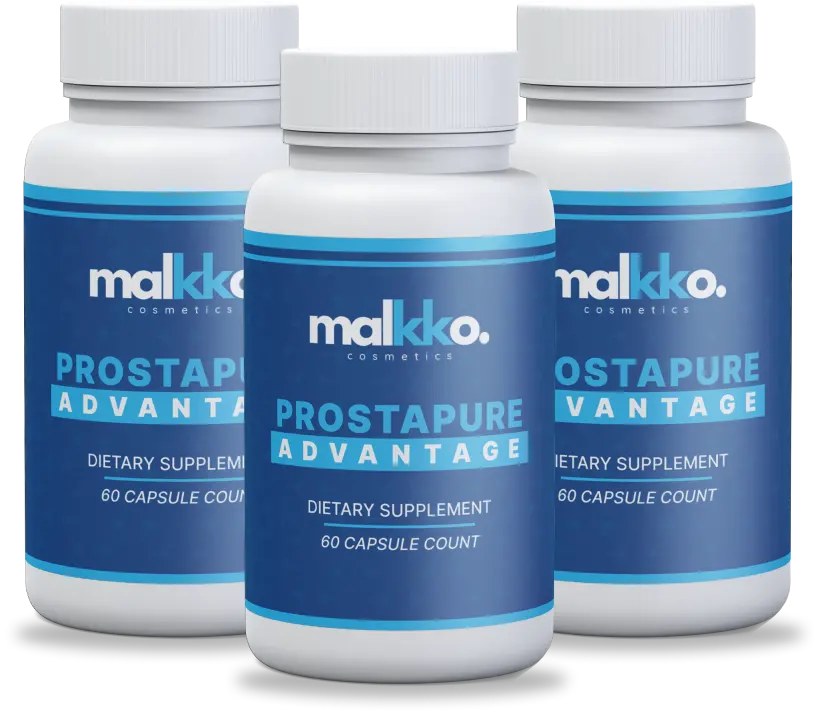
While it’s possible to get many of the nutrients needed for prostate health from diet, it can be challenging for aging men to meet all their nutritional requirements through food alone. Over time, the body becomes less efficient at absorbing key nutrients, and diet patterns may change due to lifestyle, health concerns, or diminished appetite.
Prostate health supplements can bridge this gap by providing consistent doses of herbal extracts, vitamins, minerals, and antioxidants that support prostate function. They act as a preventive measure to address potential issues before they become more severe, such as BPH, inflammation, and urinary problems.
Additionally, high-quality supplements offer the benefit of convenience. They allow men to get the nutrients they need in one easy-to-take capsule or pill without having to rely solely on complex meal planning or supplementation from multiple sources.
Complementing Diet and Lifestyle for Prostate Wellness
Prostate health supplements are most effective when combined with a balanced diet, regular exercise, and healthy lifestyle choices. Men should aim to:
- Eat prostate-friendly foods like tomatoes, broccoli, salmon, and pumpkin seeds to ensure they get ample antioxidants, healthy fats, and essential vitamins.
- Stay physically active to improve circulation, reduce inflammation, and support hormonal balance.
- Avoid smoking and excessive alcohol consumption, which can both negatively impact prostate health.
- Manage stress effectively, as chronic stress can exacerbate inflammation and hormonal imbalances.
By adopting these lifestyle changes and integrating prostate health supplements into their routine, aging men can significantly reduce their risk of prostate problems and maintain optimal health well into their later years.
When to See a Doctor About Prostate Problems
Natural capsules and vitamins are examples of prostate health supplements that can help keep you healthy and stop problems from getting worse. However, it’s crucial to know when symptoms are too severe to be treated with supplements or changes to your lifestyle. In some circumstances, medical help may be needed to deal with prostate problems and make sure that they are found early so that the best therapy may be given.
Many men don’t go to the doctor for prostate problems because they are embarrassed or don’t understand the issue, but getting a diagnosis and treatment early is very important for avoiding complications and keeping a good quality of life. It’s time to consult a doctor for a full evaluation if you have any of the following symptoms:
1. Persistent Urinary Issues
One of the most common signs of prostate problems is persistent urinary discomfort. This could manifest as:
- Frequent urination, especially during the night (nocturia)
- Weak or interrupted urine stream
- Difficulty starting or stopping urination
- Painful urination or a burning sensation
- Inability to fully empty the bladder
These symptoms could indicate Benign Prostatic Hyperplasia (BPH), prostatitis, or even early signs of prostate cancer. If these issues persist or worsen over time, it’s essential to see a doctor to rule out serious conditions like prostate cancer or to start managing conditions like BPH.
👉 Pro Tip: Keep track of urinary symptoms in a bladder diary—this can help your healthcare provider understand the severity and pattern of your symptoms.
2. Blood in Urine or Semen
The presence of blood in the urine (hematuria) or semen can be a concerning sign of prostate health problems. While it may sometimes be linked to an infection or benign prostate issues, it can also be an indicator of prostate cancer, prostatitis, or other serious conditions.
- Blood in urine could indicate infection, stones, or in some cases, prostate cancer.
- Blood in semen is often associated with inflammation or infection in the prostate but should not be ignored.
If you notice red or pink urine, blood clots, or discolored semen, it is critical to seek medical advice immediately. Early detection of prostate cancer or other prostate-related issues significantly improves treatment outcomes.
3. Erectile Dysfunction (ED)
While erectile dysfunction (ED) is often associated with aging, it can also be a sign of underlying prostate health problems. ED can result from:
- Prostate enlargement (BPH), which may affect the bladder and urinary function
- Prostate cancer treatments, which can damage nerves or reduce testosterone levels
- Prostatitis, which can cause pelvic pain and interfere with sexual function
If you’re experiencing difficulty getting or maintaining an erection, along with urinary or pelvic discomfort, it’s important to consult your doctor. Erectile dysfunction can be a symptom of a prostate condition that may need medical treatment.
4. Pain in the Back or Pelvis
Persistent pain in the lower back, hips, or pelvic area can indicate inflammation, infection, or other prostate issues. Some possible causes include:
- Prostatitis (inflammation of the prostate), which can cause pain in the pelvic area, lower back, or groin.
- BPH, which may also cause discomfort due to the enlarged prostate pressing on surrounding tissues.
- Prostate cancer, which may spread to the bones, causing back pain or discomfort in the pelvis.
If the pain is chronic, especially if it’s coupled with urinary issues or blood in the urine, it’s essential to seek professional care for a proper diagnosis. Early detection of prostate problems can lead to more effective treatment.
5. Family History of Prostate Cancer
If a man has a family history of prostate cancer, his risk of getting the disease goes up a lot. You should pay greater attention to your prostate health if you have a close relative (father, brother) who has been diagnosed with prostate cancer. Early screening, including PSA testing (Prostate-Specific Antigen), can help find problems before they get worse.
Men with a family history of prostate cancer should talk to their doctor about early screening options, even if they don’t have any symptoms. This is especially true if you are over 50 or have additional risk factors.
6. Unexplained Weight Loss or Fatigue
Unexplained weight loss and fatigue can be symptoms of advanced prostate cancer, although they are more commonly associated with other medical conditions. If you’re experiencing persistent tiredness, loss of appetite, or unintentional weight loss, alongside other prostate-related symptoms, it’s crucial to seek medical attention. These symptoms may signal that a prostate problem has progressed to a more advanced stage and requires immediate evaluation.
7. A Sudden Decrease in Sexual Desire
A significant decrease in libido or interest in sex can sometimes be a symptom of prostate problems, especially in older men. This can be due to the hormonal imbalances caused by conditions like BPH, prostatitis, or prostate cancer.
Men undergoing prostate cancer treatment (such as radiation or surgery) may also experience changes in sexual function. If you notice a sudden decline in libido or difficulty with sexual performance, it’s important to consult your doctor.
When to Seek Immediate Medical Attention
While not all prostate issues are emergencies, some symptoms may require urgent medical attention. Seek immediate care if you experience:
- Severe pain in the lower back, pelvis, or abdomen
- Sudden inability to urinate or inability to pass urine at all (urinary retention)
- Fever and chills with urinary pain (may indicate infection)
- Severe or worsening blood in urine or semen
Prompt medical evaluation can prevent complications and ensure that conditions like acute prostatitis or advanced prostate cancer are managed effectively.
Conclusion: Take Charge of Your Prostate Health
The prostate is very important for men’s health, reproduction, and general health. Maintaining the health of this gland is very important for urine function, hormonal balance, sexual health, and overall quality of life.
As men get older, they are more likely to have problems with their prostate, such as Benign Prostatic Hyperplasia (BPH), prostatitis, or even prostate cancer. But these risks can be greatly lowered with the right knowledge, proactive care, and modifications to one’s way of life. You shouldn’t just leave your prostate health to chance; you need to take a whole-body strategy that involves eating well, working out, and keeping an eye on your health.
You may help your prostate health by eating the 10 greatest foods for it every day, such as tomatoes, broccoli, and salmon, and staying away from bad foods like processed meats and trans fats. Natural prostate health supplements like saw palmetto, zinc, and lycopene can also help keep your prostate at the right size, lower inflammation, and make urination easier.
In addition, living a healthy lifestyle that includes regular exercise, staying hydrated, managing stress, and staying away from smoking and drinking alcohol will help keep your prostate healthy for years to come.
Why Early Action Matters
You may have a healthier, more vibrant tomorrow if you take action today by paying attention to your nutrition, supplements, and general health. You have a higher chance of avoiding or dealing with prostate problems if you make prostate health a priority as soon as possible. Taking care of your prostate is an investment in your health, comfort, and long-term well-being.
It’s never too late to start taking care of your prostate health, so keep that in mind. You can live an active and full life without the pain and complications that come with prostate disorders by using natural therapies, getting regular check-ups, and living a balanced life.
Proactive Health for a Stronger Future
You deserve to feel confident, energetic, and healthy at every stage of life. Make your prostate health a top priority today so that tomorrow will be stronger and more vibrant. Don’t wait for symptoms to show up; do something now to give yourself the power to live your greatest life.